Keep paths, entrances, car parks and outdoor working areas safer during freezing weather with our commercial grit and salt bins and snow de-icer equipment.
Choose from compact, mobile and heavy-duty outdoor salt storage bins in a range of capacities, including lockable models and convenient kits supplied with de-icing salt and de-icing solutions for hospitality venues, offices, workplaces and other commercial premises.
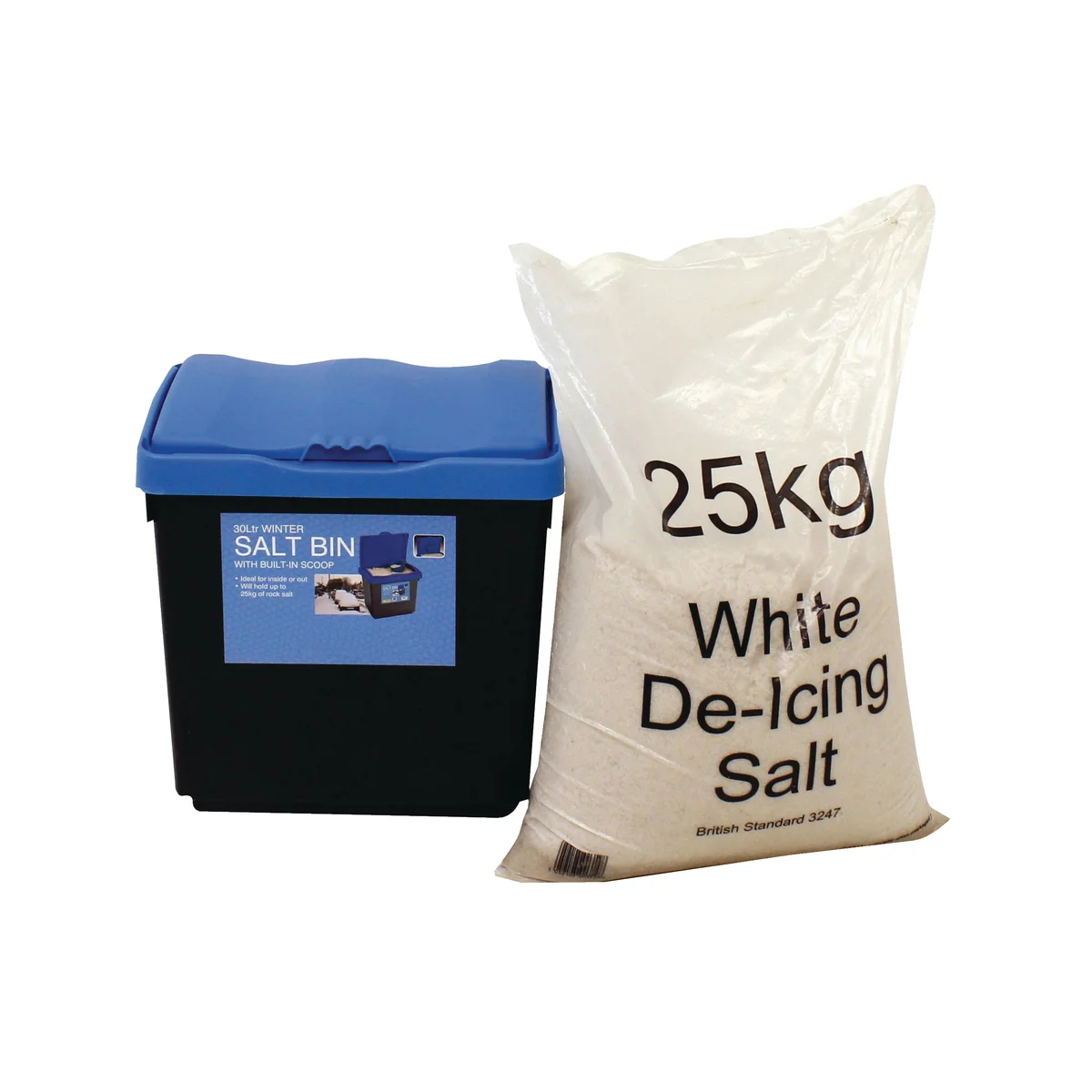
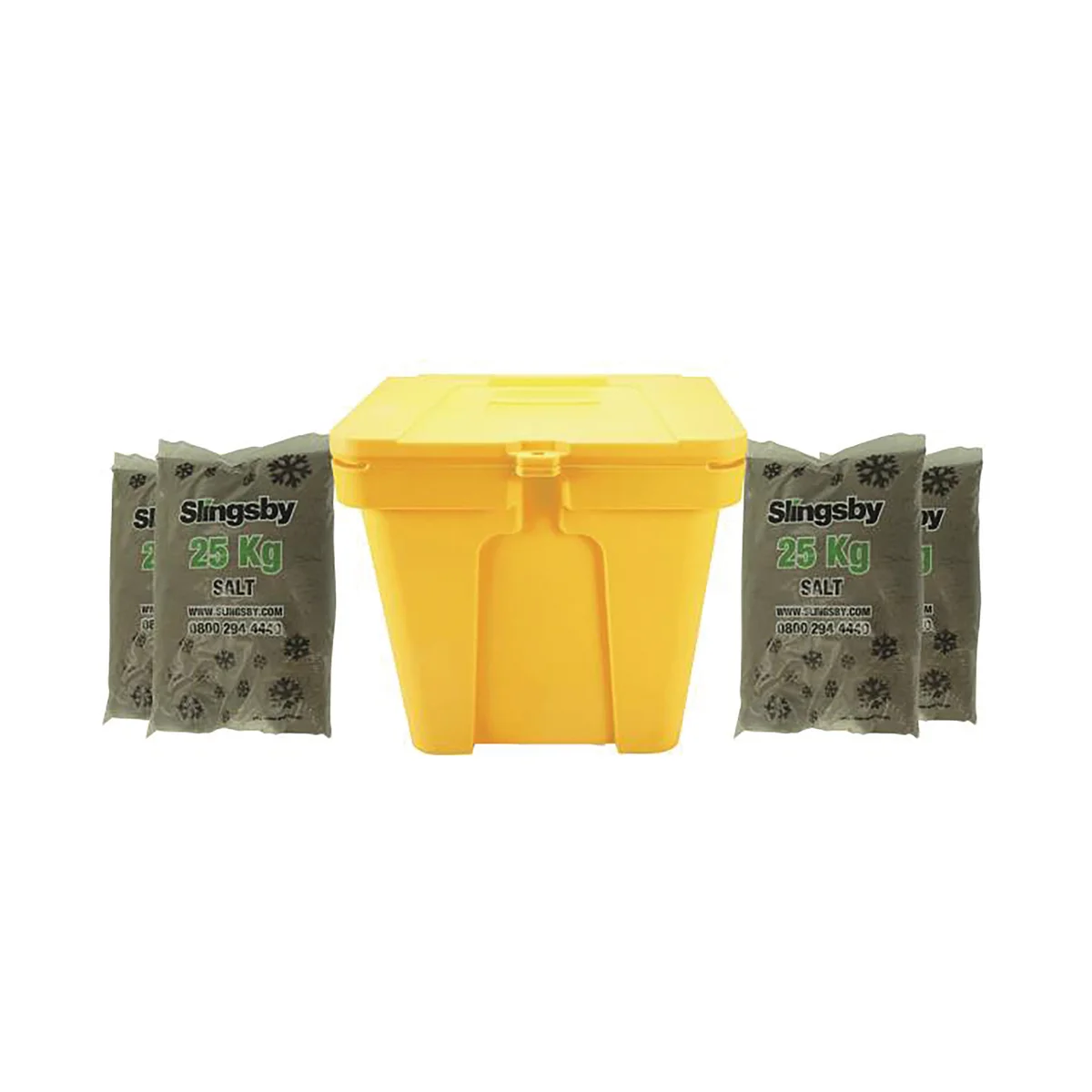
30 Litre Grit Bin and 25kg Salt Kit 389113
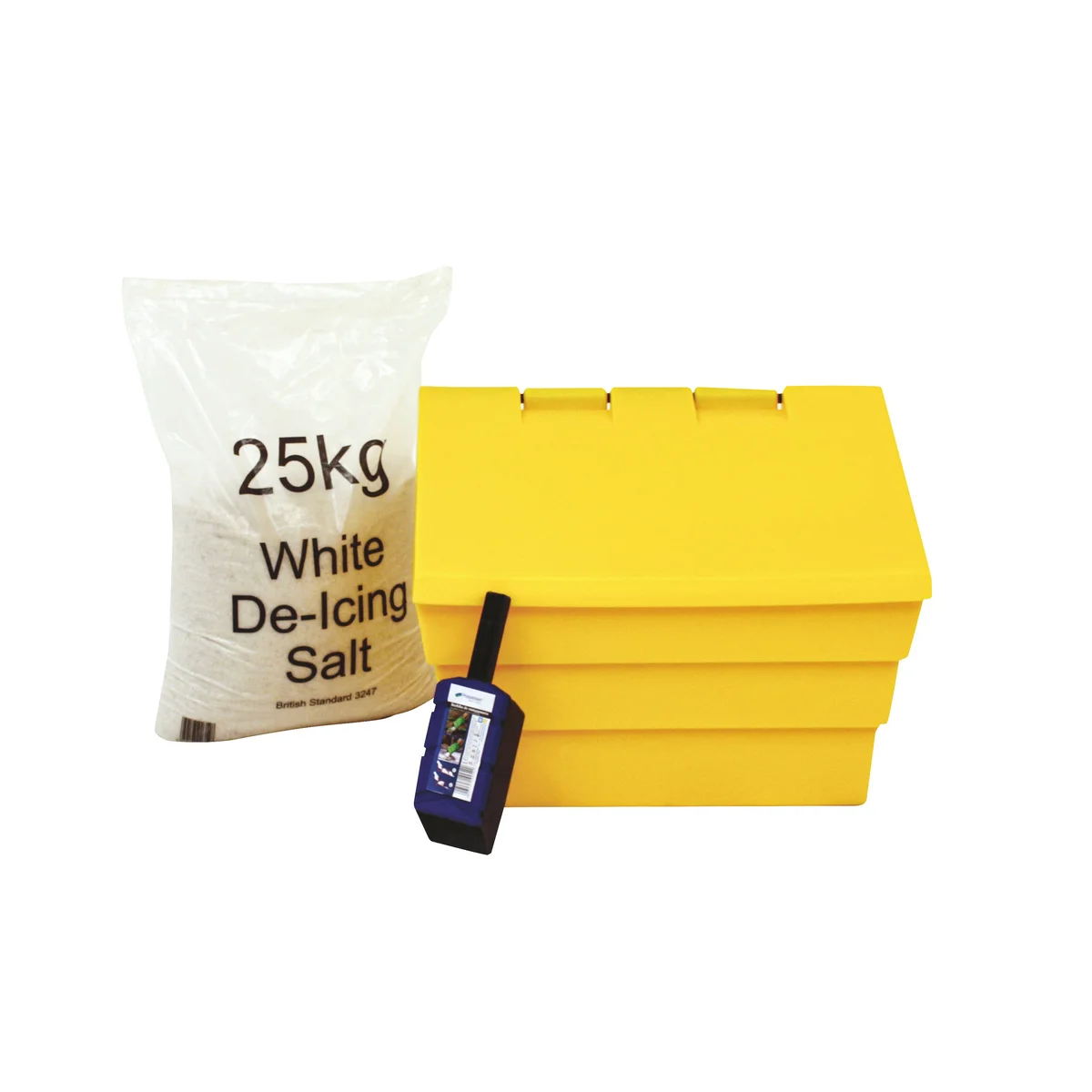
50 Litre Grit Bin and 25kg Salt Kit 389115
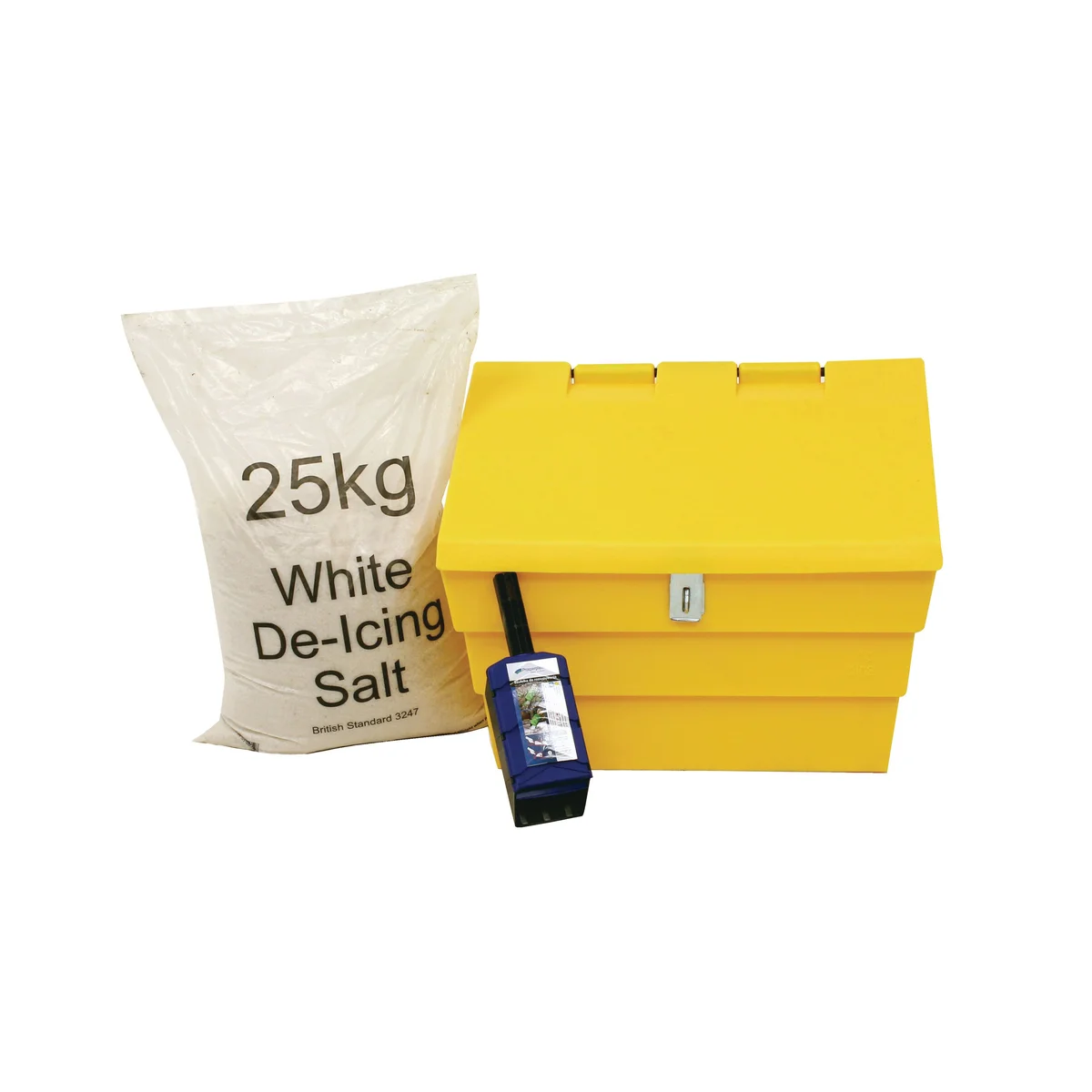
50 Litre Lockable Grit Bin and 25kg Salt Kit 389116
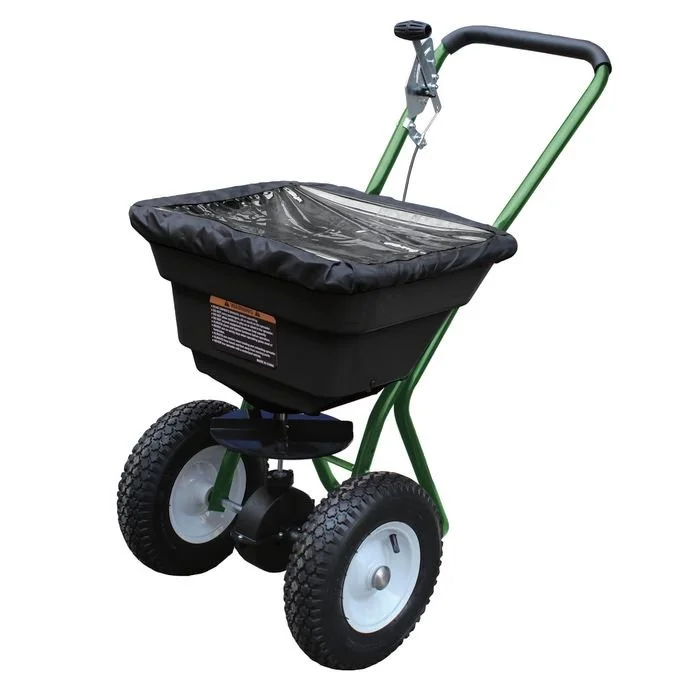
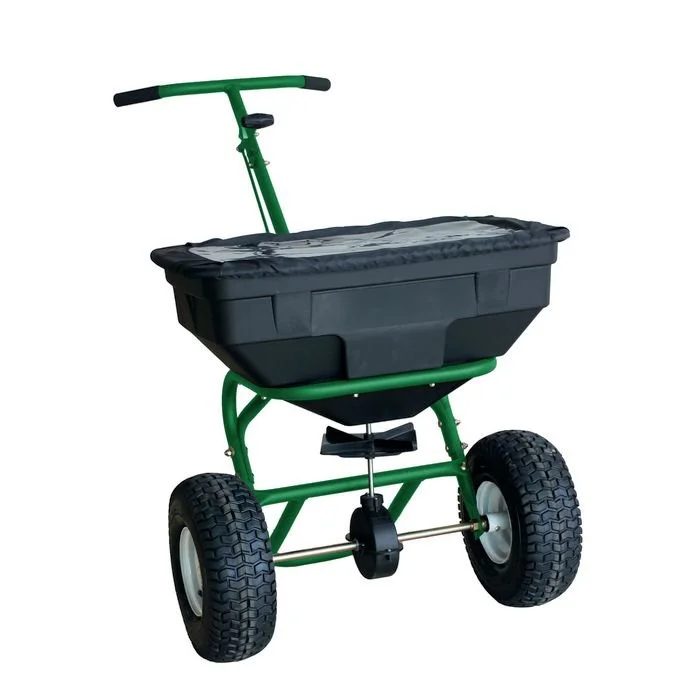
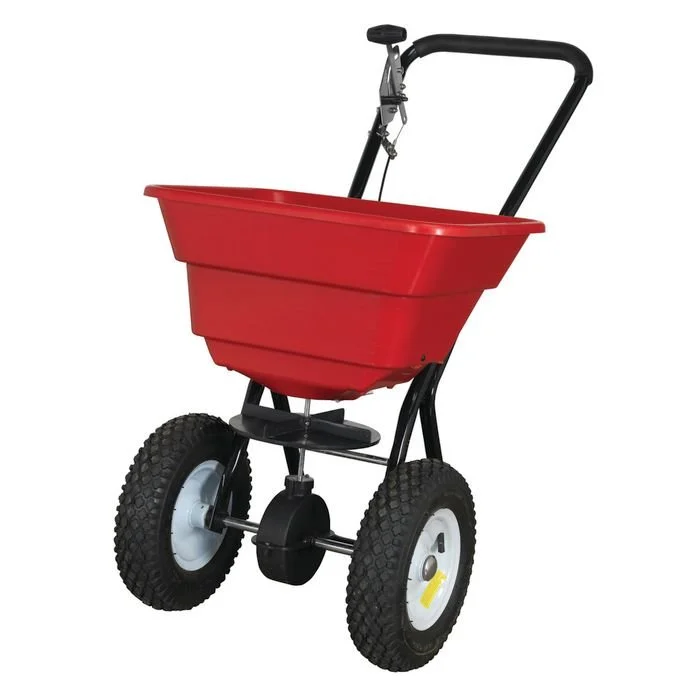
Broadcast Salt Spreader Black/Green 29L 413169
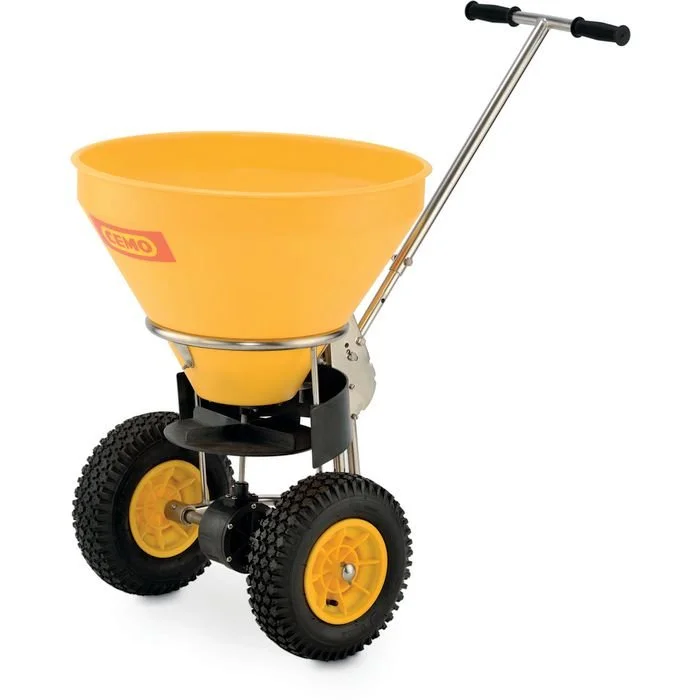
Broadcast Salt Spreader Orange 46L 411569
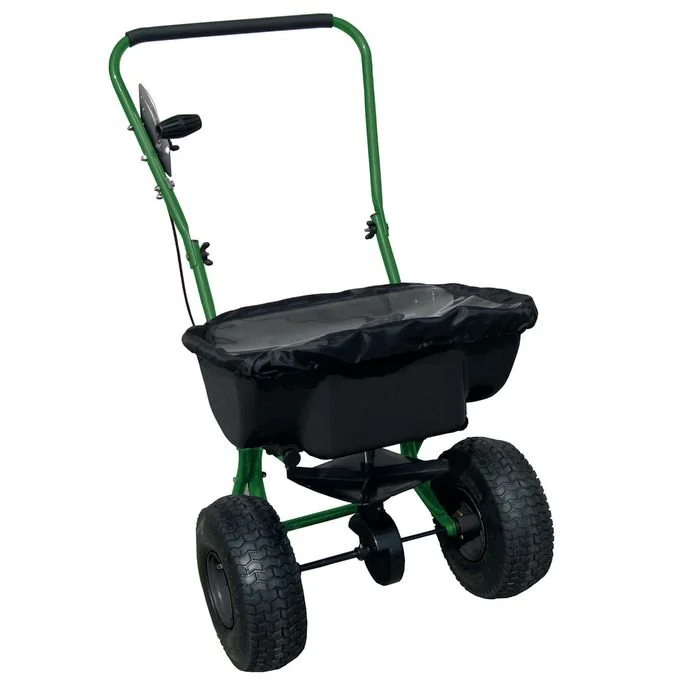
Broadcast Salt Spreader with Rain Cover Black/Green 22L 413170
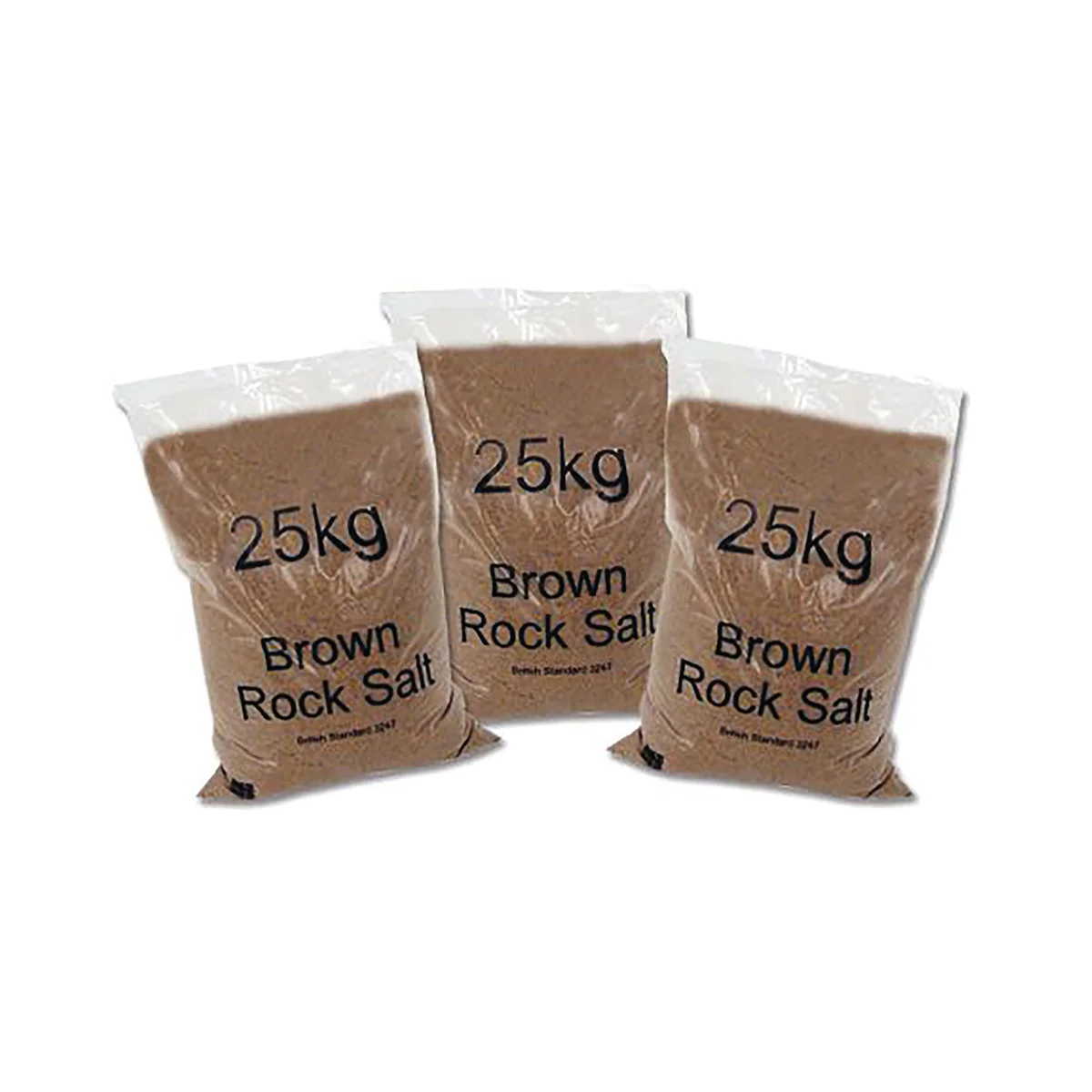
Brown De-icing Rock Salt 3 For 2 Offer Brown (Pack of 3) 396425
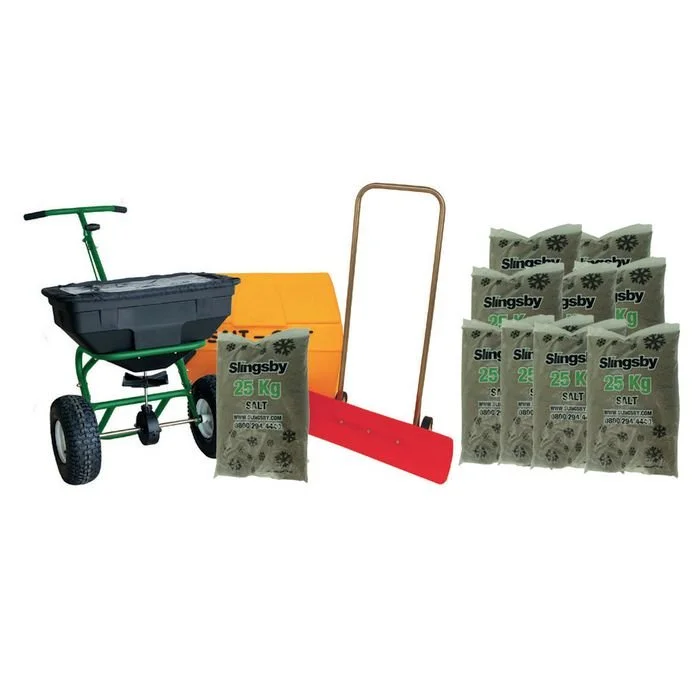
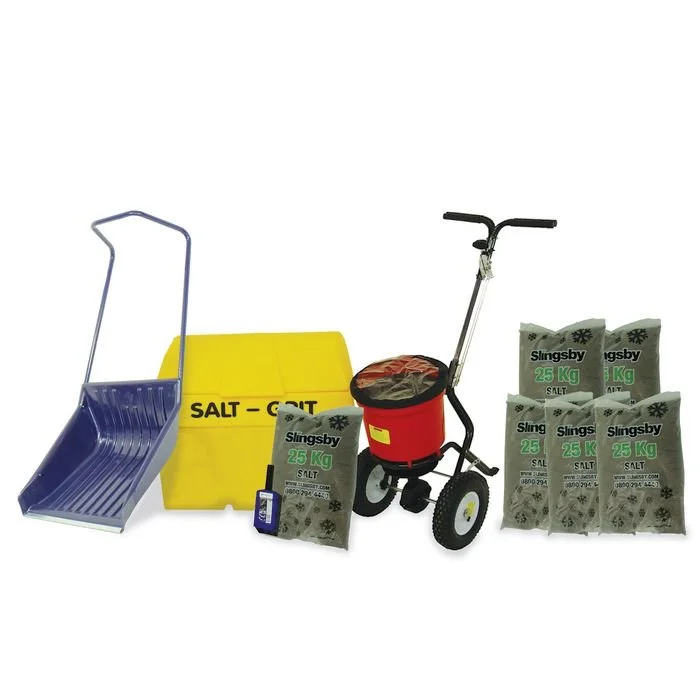
Car Park Winter Snow and Ice Clearance Kit Yellow Large 399632
Car Park Winter Snow and Ice Clearance Kit Yellow Small 406754
Contract Salt Spreader 29L Black/Red 398430
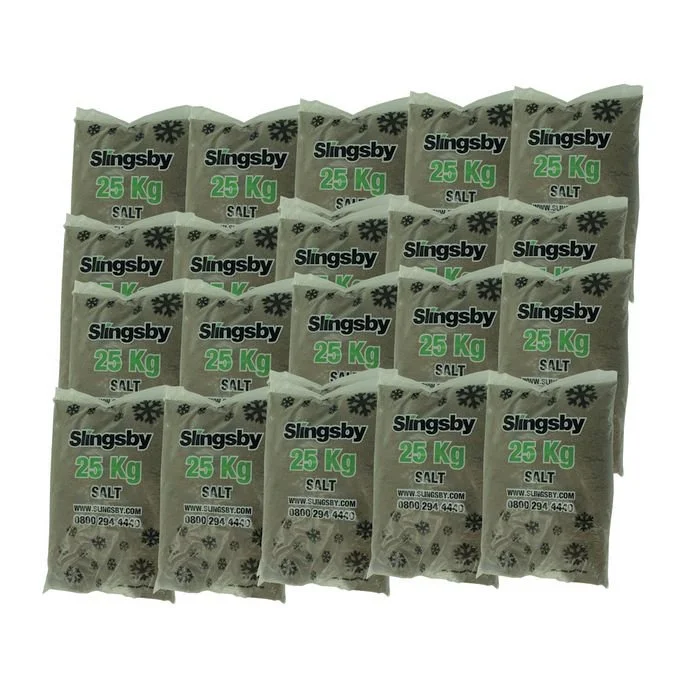
De-Icing Rock Salt Brown 25kg (Pack of 20) 383580
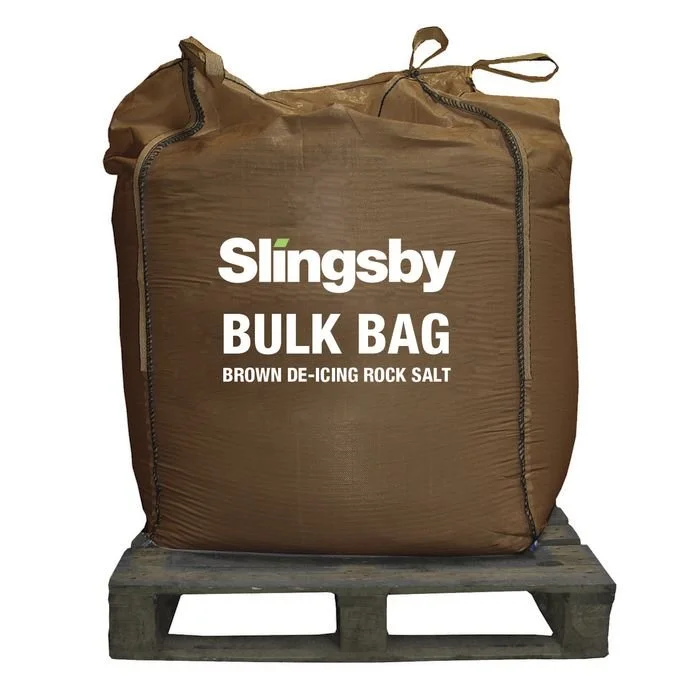
De-Icing Rock Salt Bulk Bag Brown 900kg 384060
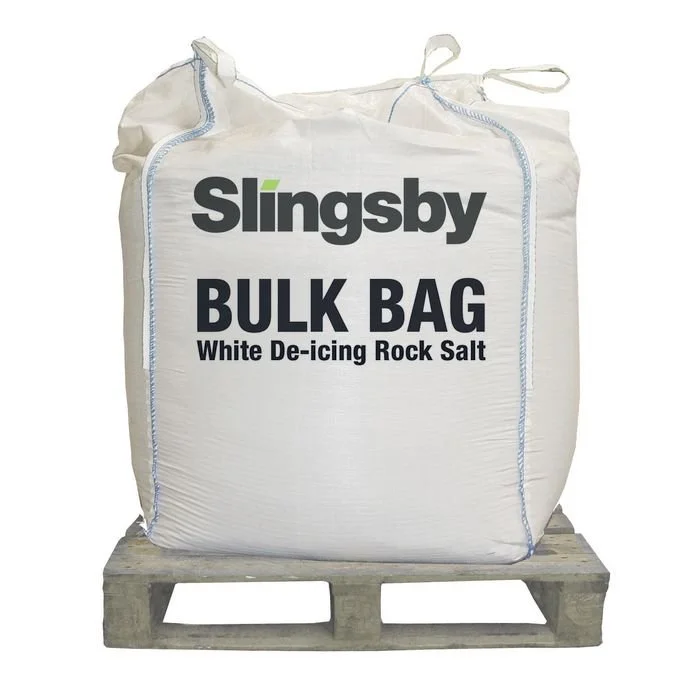
De-Icing Salt Bulk Bag White 900kg 384061
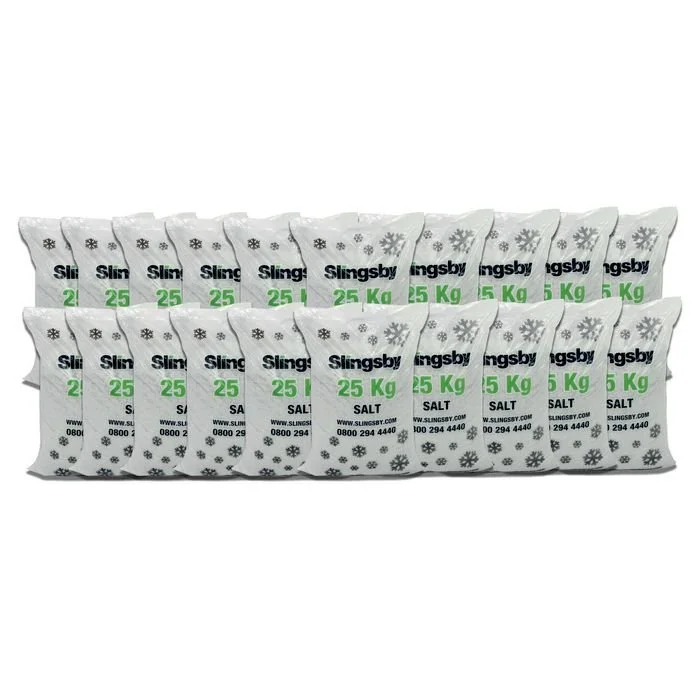
De-Icing Salt White 25kg (Pack of 20) 379759
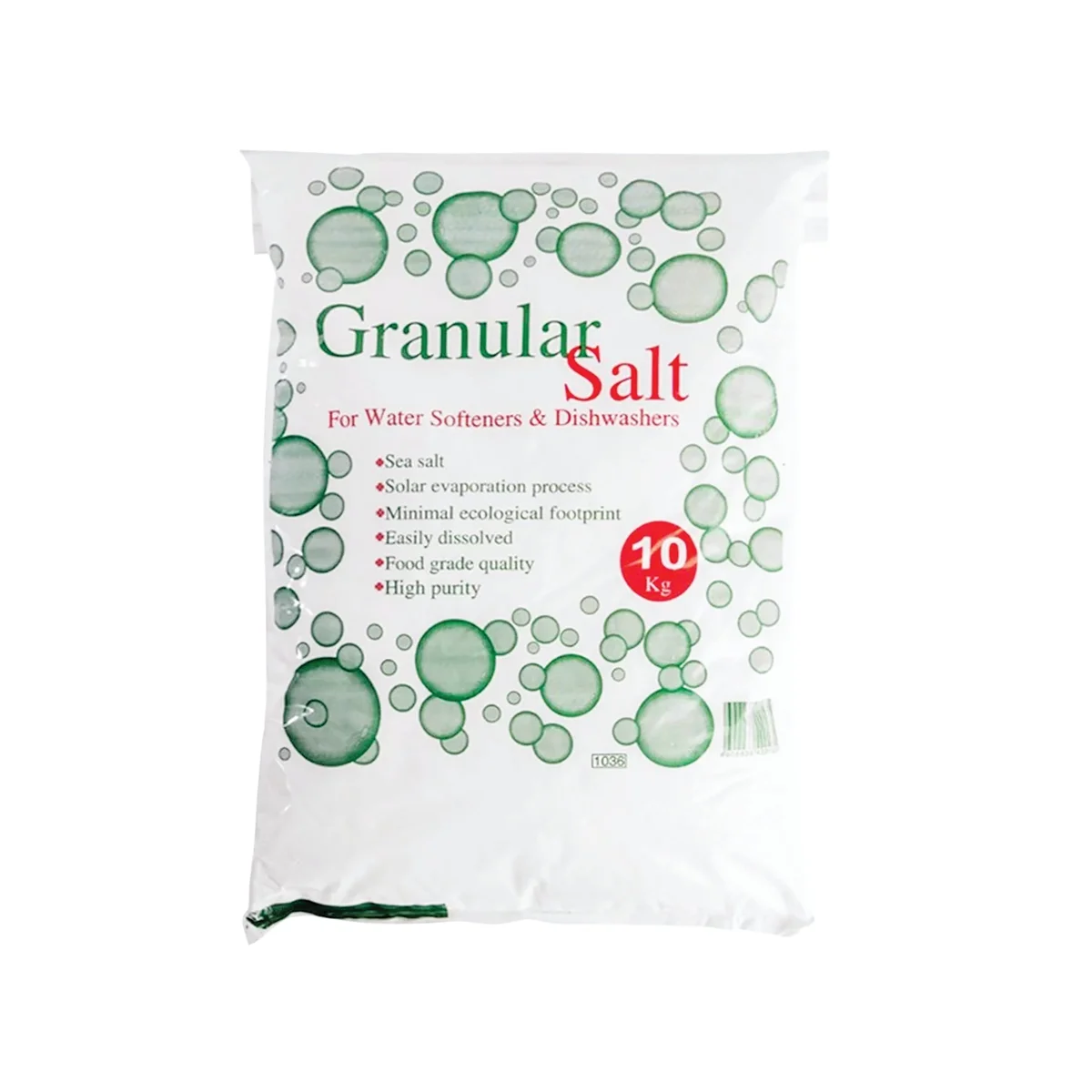
Diversey Granular Salt 10kg Z021200
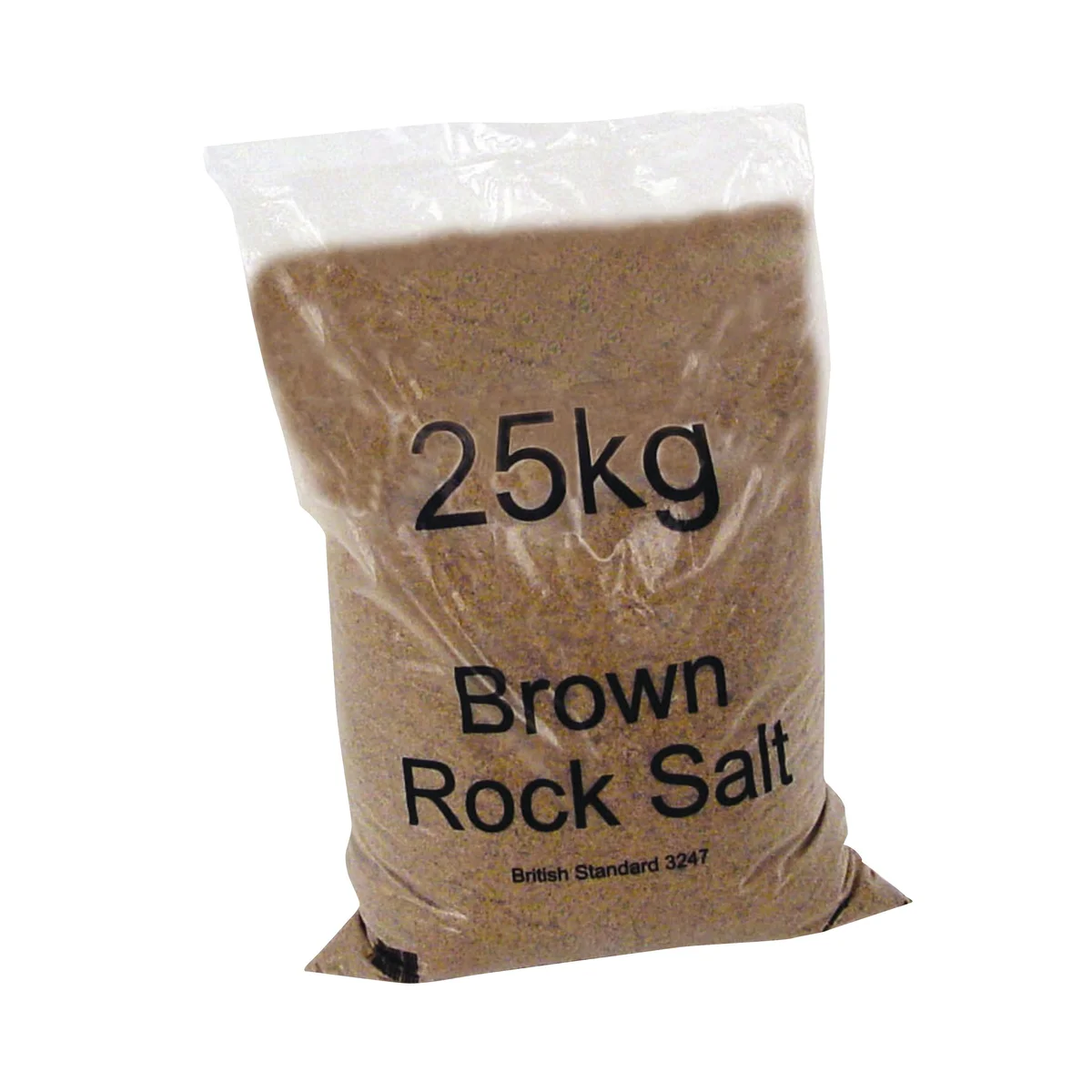
Dry Brown Rock Salt 25kg Bag (20 Pack) 384072
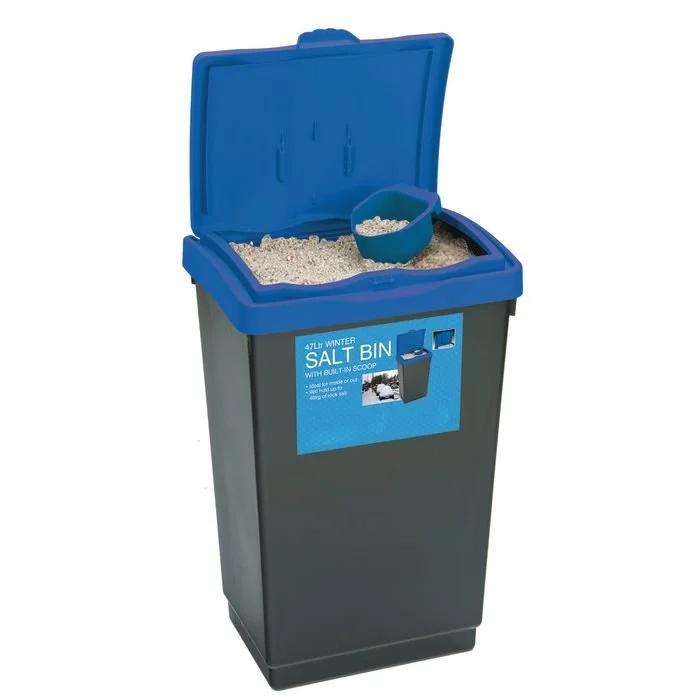
Economy Salt and Grit Bin Black/Blue 47L 389089
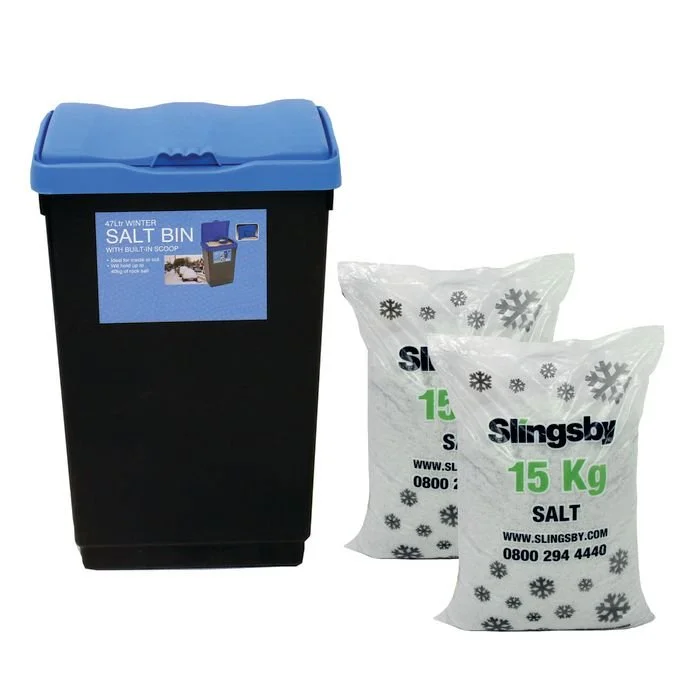
Economy Salt and Grit Bin Kit Black/Blue 47L 389114
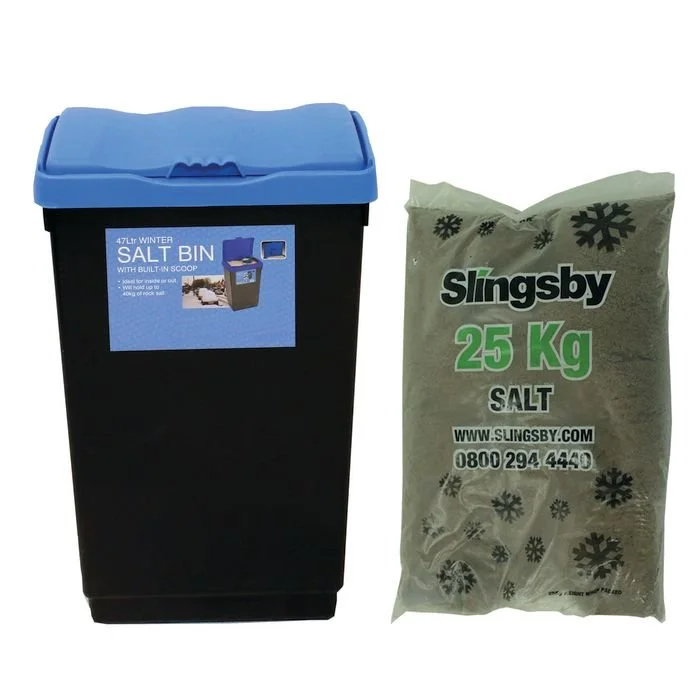
Economy Salt and Grit Bin Kit Black/Blue 47L with 25kg Brown Salt 401296
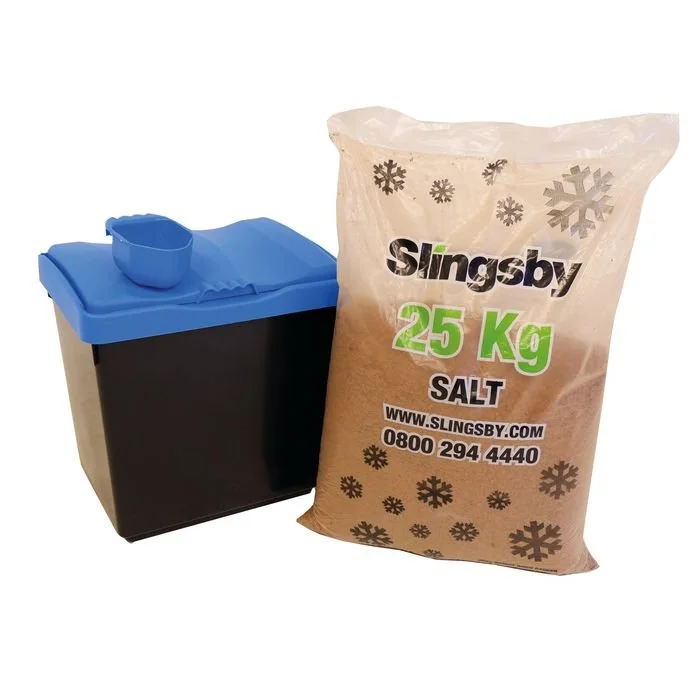
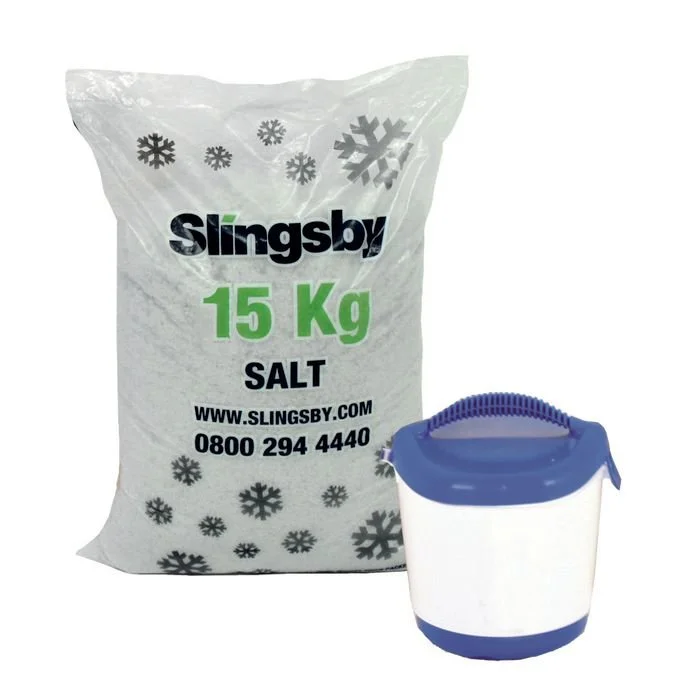
Economy Salt and Grit Bin Kit Yellow 30L with 25kg De-icing Salt 399636
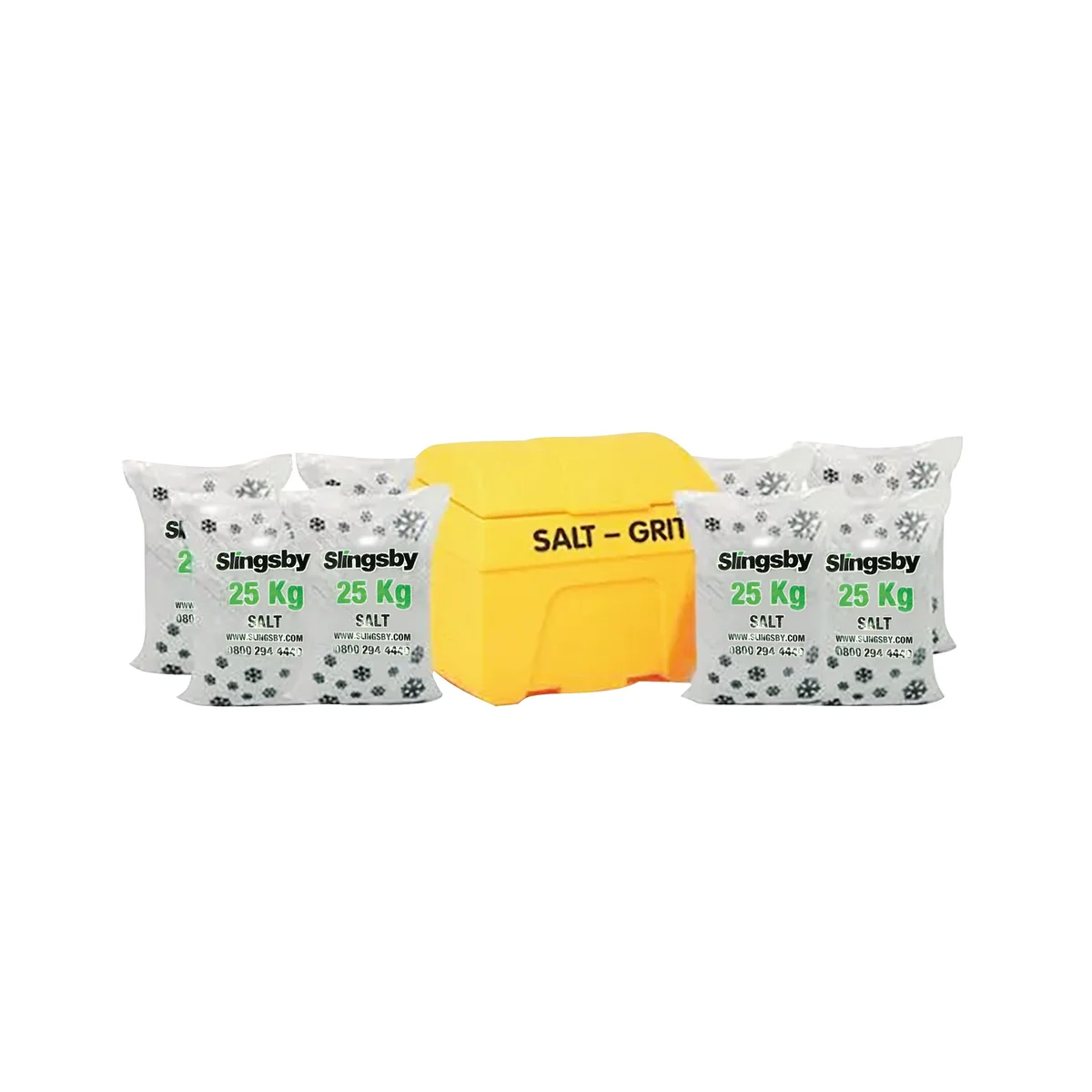
Fd Winter Salt/Grit Bin Basic Kit 200 Litre with 8x25kg Salt 360201
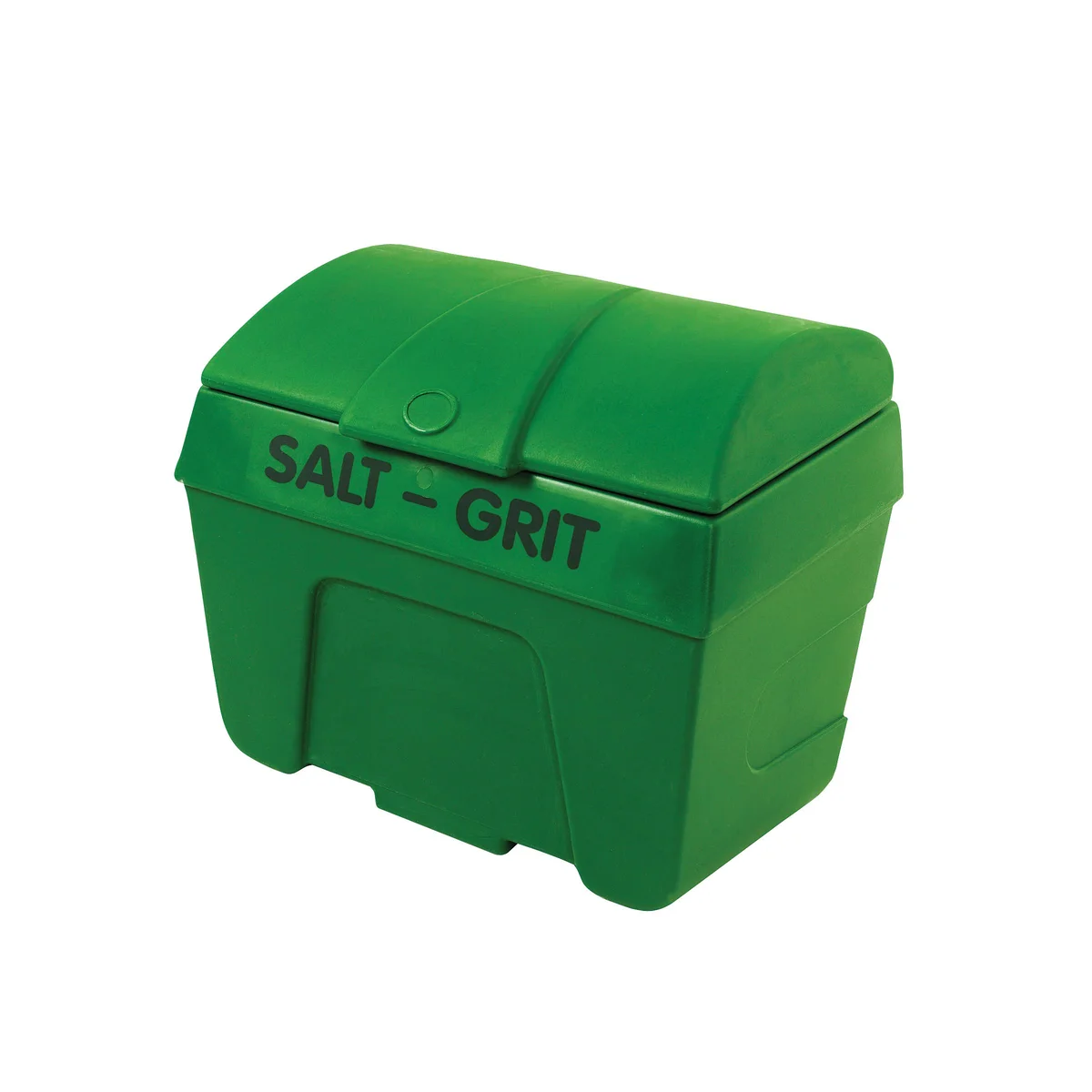
Green Winter Salt and Grit Bin 200 Litre No Hopper 317058
Hand Held Salt Spreader Blue 4kg Capacity (Pack of 3) 389112
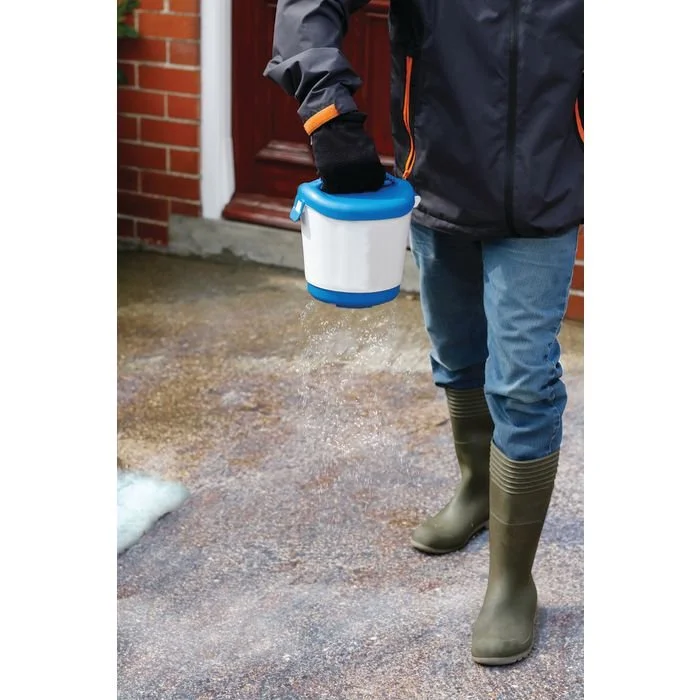
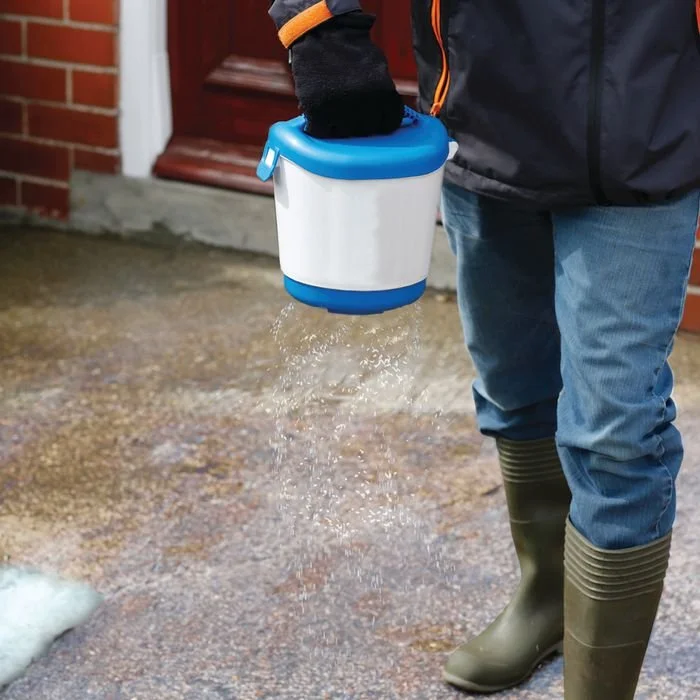
Hand Held Salt Spreader Blue 4kg Capacity 389097
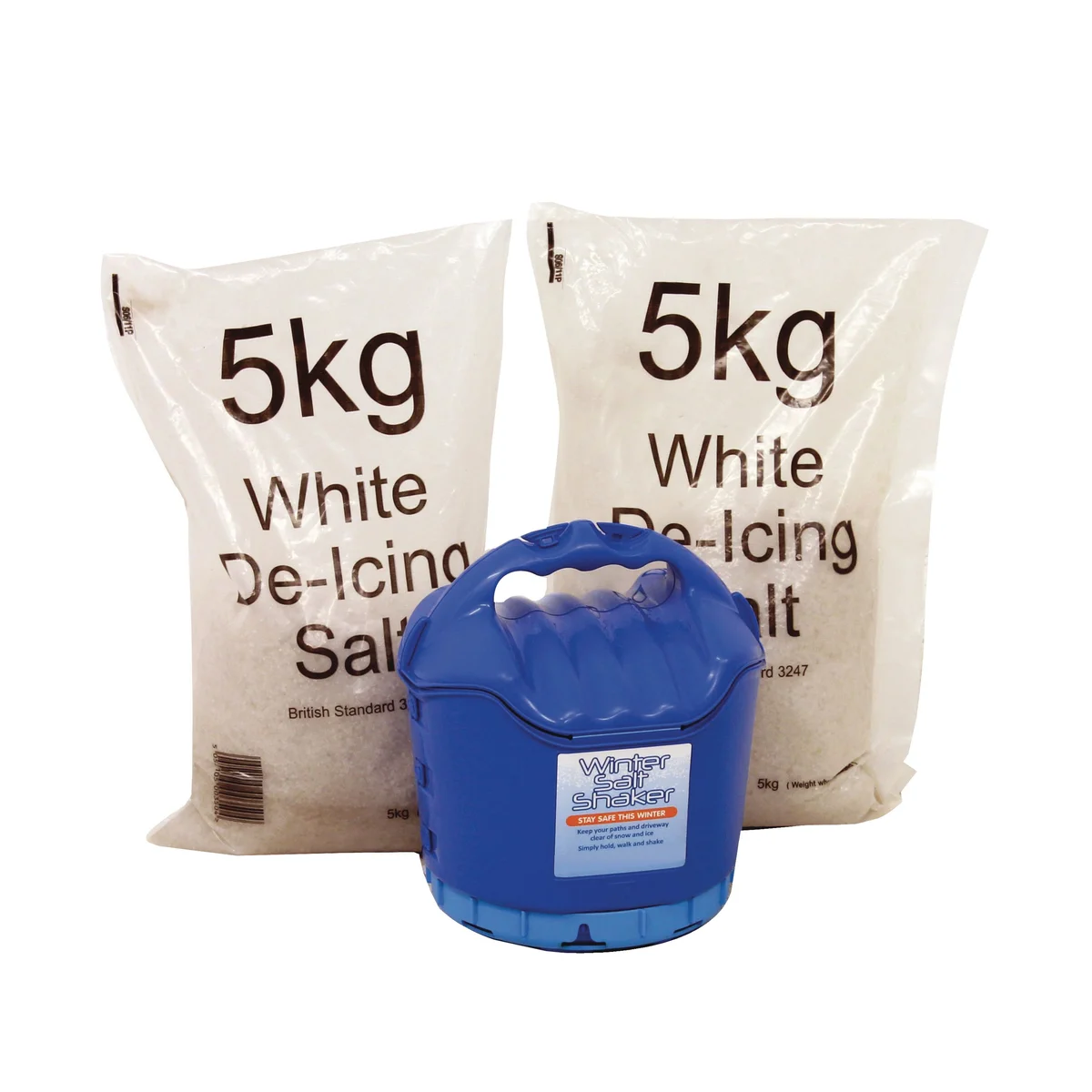
Handheld Salt Shaker and 2xBags of White Salt 5kg 389106
Handheld Salt Spreader Kit Blue 425441
Heavy Duty Lockable Salt and Grit Bin Yellow 110L with Brown Rock Salt 395099
Manual Salt Spreader Yellow 50L 412104
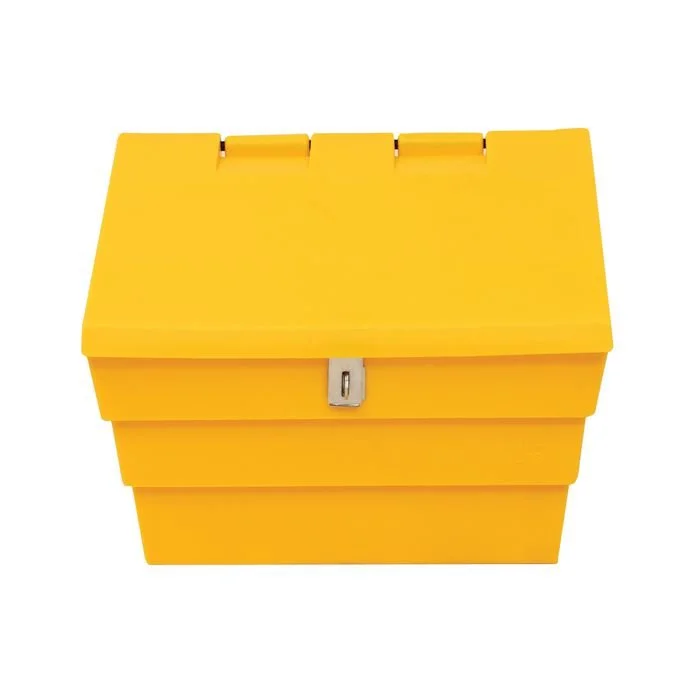
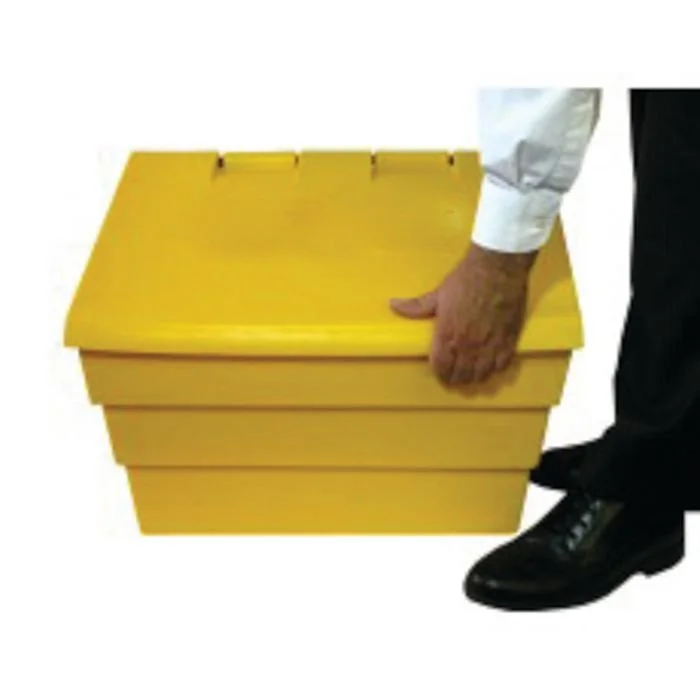
Mini Salt and Grit Bin with Locking Lid Yellow 50L 389111
Mini Salt and Grit Bin Yellow 50L 389110
A grit and salt bin provides weather-resistant outdoor storage for rock salt, de-icing salt or grit. Positioning a bin close to entrances, paths, steps, car parks and service areas makes winter supplies readily available when frost, ice or snow is forecast. What is a grit and salt bin used for?
Choose the capacity according to the area you need to treat, how frequently it is used and how often you can refill the bin. A compact 50-litre bin is useful for entrances and short paths, a mobile 75-litre bin helps staff cover several locations, while 130 to 200-litre grit bins are better suited to car parks, private roads and larger commercial premises. Always check each product’s stated litre and kilogram capacity before ordering, as these measurements are not interchangeable. What size grit bin do I need?
Place it on firm, level ground close to areas most likely to become slippery, without obstructing pedestrians, vehicles, emergency exits or accessible routes. Priority locations commonly include building entrances, pedestrian walkways, steps, ramps, car parks, shaded areas and places that remain damp. The bin should also be safely accessible to the people responsible for gritting. Where should a grit bin be positioned?
The Health and Safety Executive advises gritting when frost, ice or snow is forecast, or when wet or damp surfaces are likely to reach freezing point. Applying salt early in the evening before frost settles, or early in the morning before staff and visitors arrive, gives it time to dissolve and start working. Avoid relying on air temperature alone, as the ground surface can be colder. When should paths and car parks be gritted?
In winter-maintenance use, the word “grit” often refers to rock salt, although true grit, sand or aggregate mainly improves traction. Rock salt works as a de-icer: it forms a brine that lowers the freezing point of water, helping to prevent ice forming and melt existing ice or snow. Check the product description to confirm which material you are buying or storing. What is the difference between grit and rock salt?
Outdoor grit bins are designed with close-fitting or sloping lids to protect their contents from rain and snow, helping to reduce moisture, clumping and material loss. Keep the lid closed between uses, inspect it regularly and avoid placing the bin beneath leaking gutters or where standing water can collect. Do grit bins keep salt dry?
A lockable grit bin is useful in public or unsupervised locations where unauthorised use, contamination or theft may be a concern. Check whether the chosen product includes a lock, has a hasp for a separate padlock, or is supplied without a locking facility. Make sure authorised staff can gain quick access when freezing weather is forecast. Should I choose a lockable grit bin?
Yes. A wheeled grit bin can be moved between paths, car parks and harder-to-reach areas, reducing repeated journeys to a fixed storage point. Mobile models are particularly useful across larger hospitality, education, healthcare and workplace sites; check the wheel type, handle design, filled weight and route conditions before use. Are mobile grit bins suitable for commercial premises?
It depends on the product. Some grit-bin kits include bags of de-icing or brown rock salt, and selected heavy-duty models include a shovel, while other bins are supplied empty. Read the individual product description carefully so you know whether salt, grit, a scoop, shovel or padlock needs to be ordered separately. Are grit bins supplied with salt and a shovel?
Inspect the body, lid, hinges, lock or hasp and any wheels before winter and throughout periods of cold weather. Remove contamination, break up or replace badly compacted material, keep the lid shut and replenish stocks before supplies run low. When the season ends, empty and clean the bin if required; stackable models can be stored more efficiently when empty. How should a grit and salt bin be maintained?
No. A grit bin supports a wider winter risk-management procedure but does not remove the need to assess hazards, monitor forecasts, identify priority routes and assign responsibility for treatment and stock checks. Where an area cannot be treated safely, consider restricting access or directing people to a safer route until the hazard has passed. Does having a grit bin replace a winter safety plan?