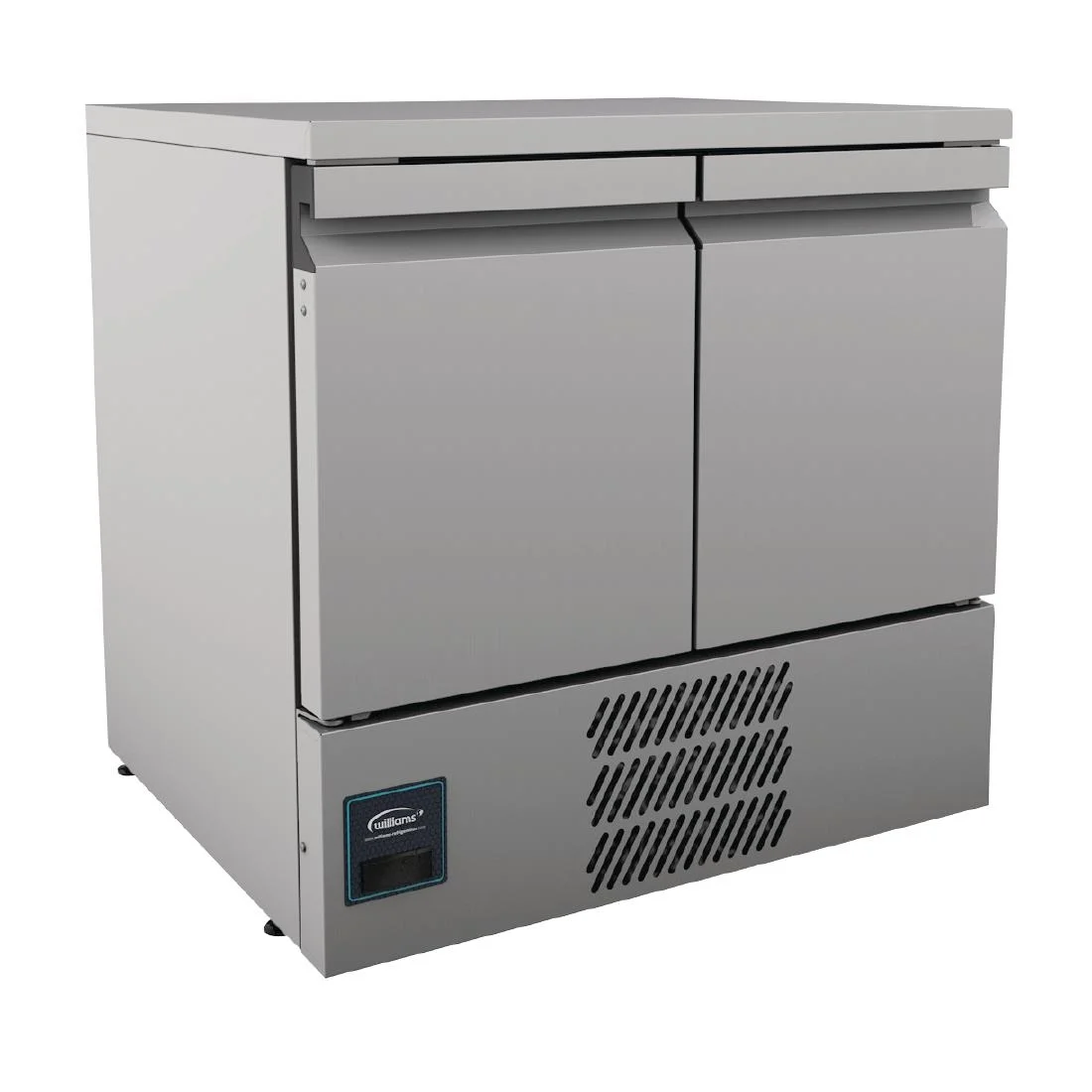
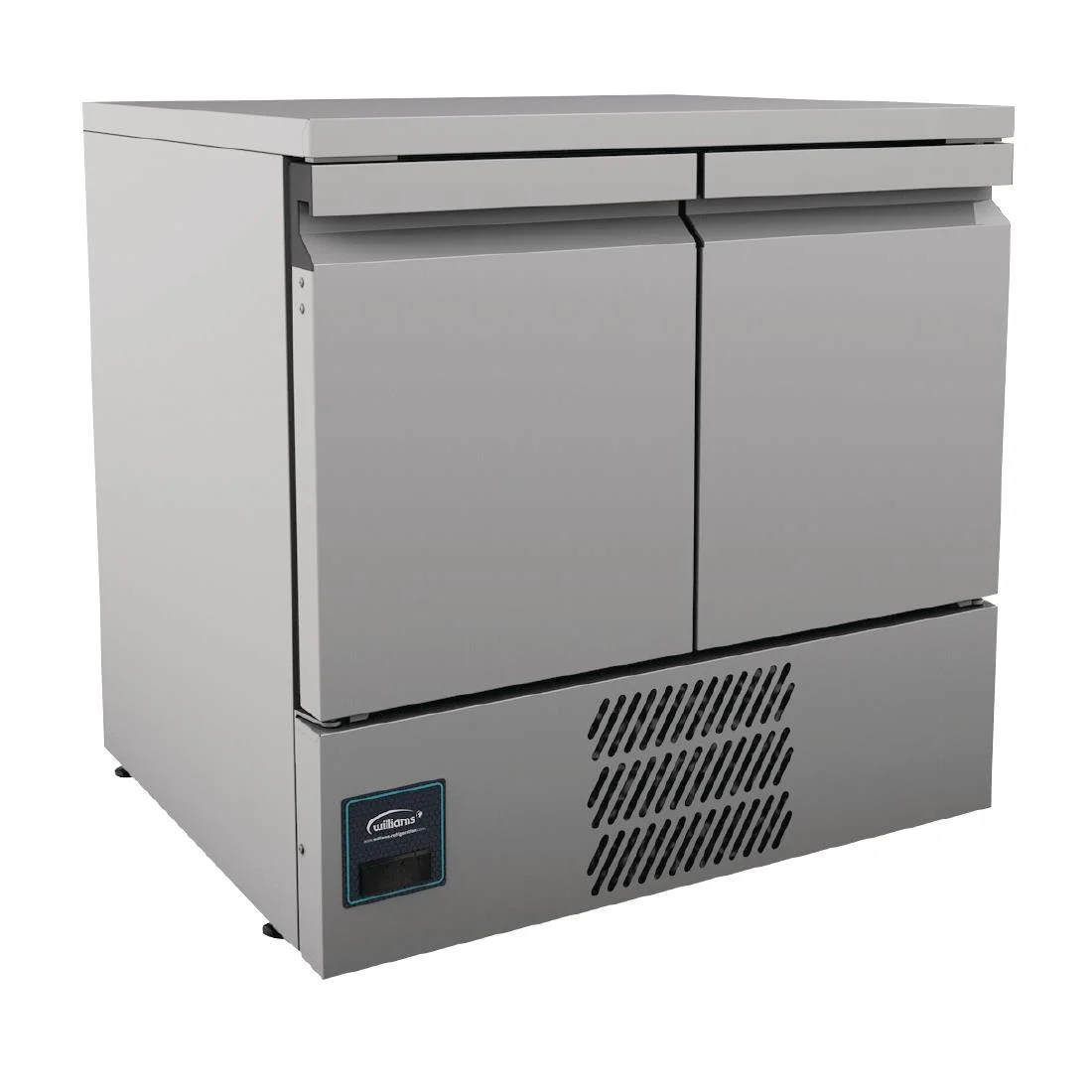
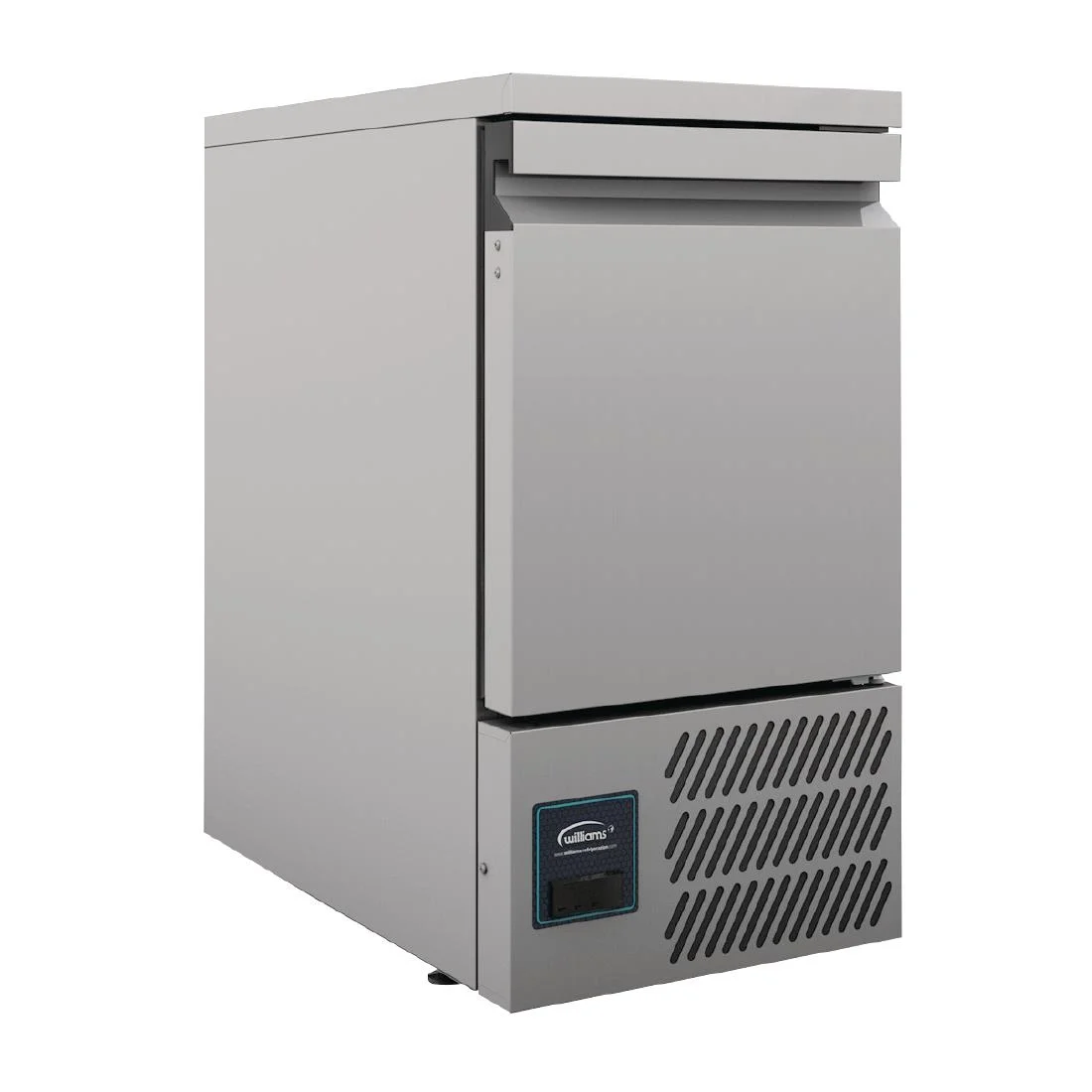
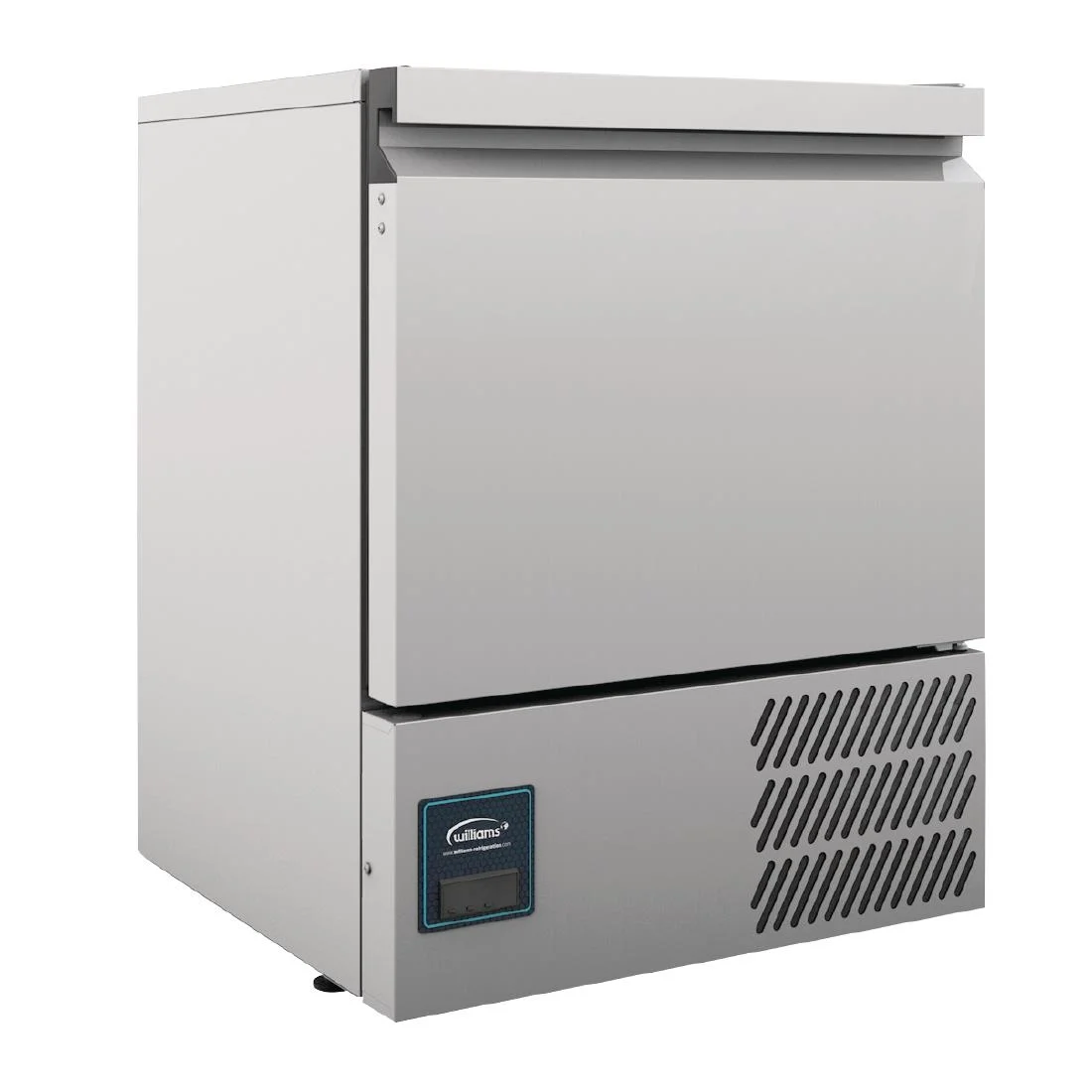
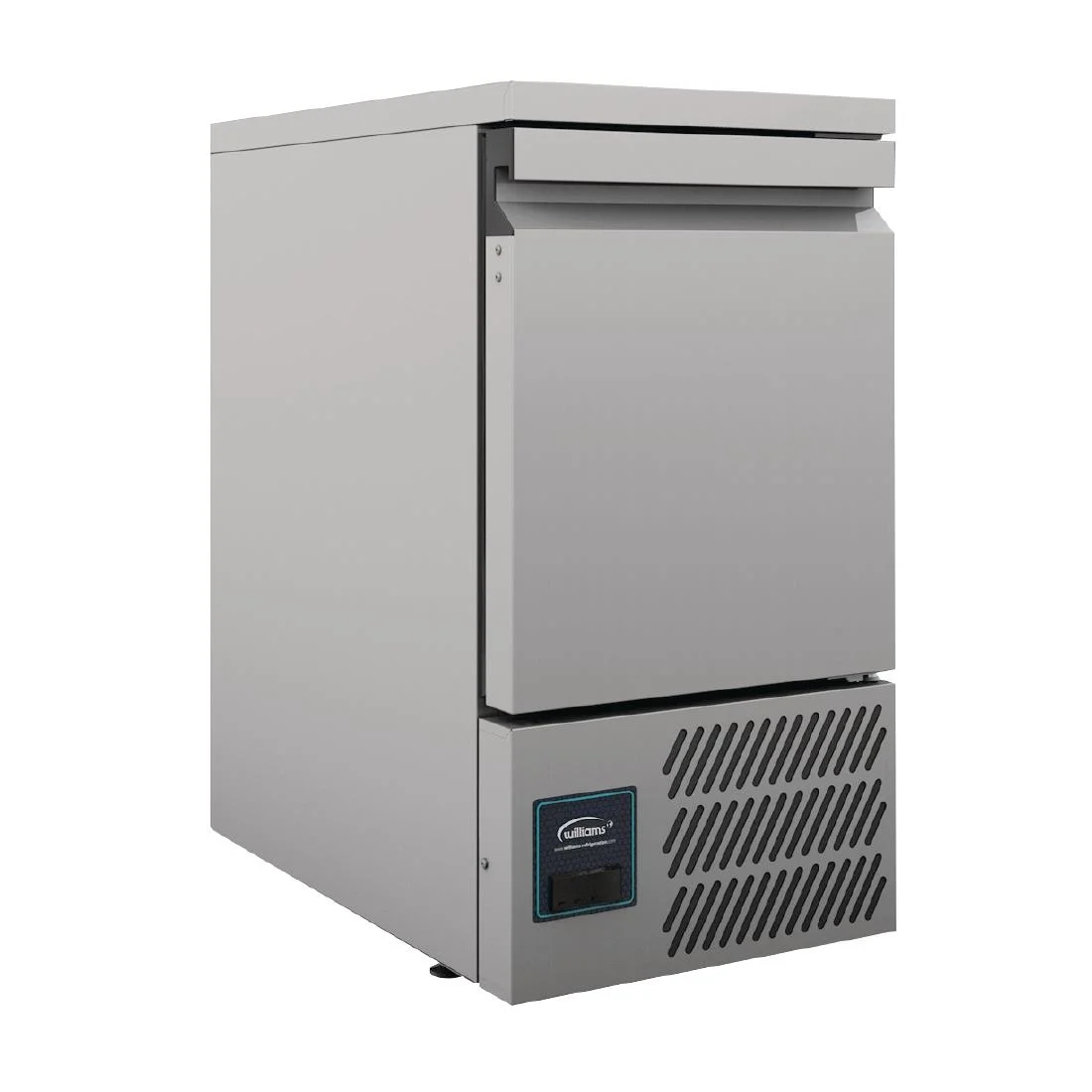
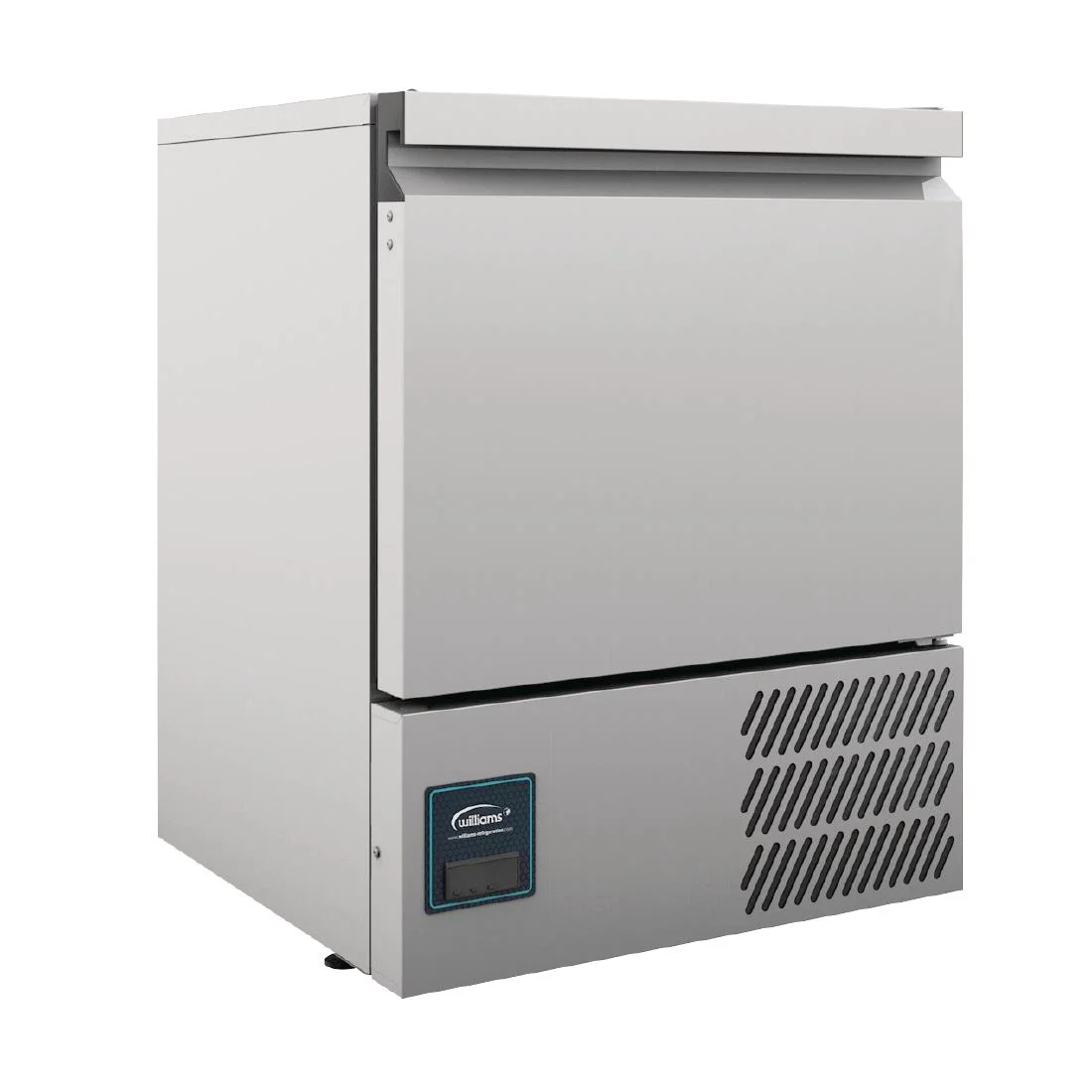
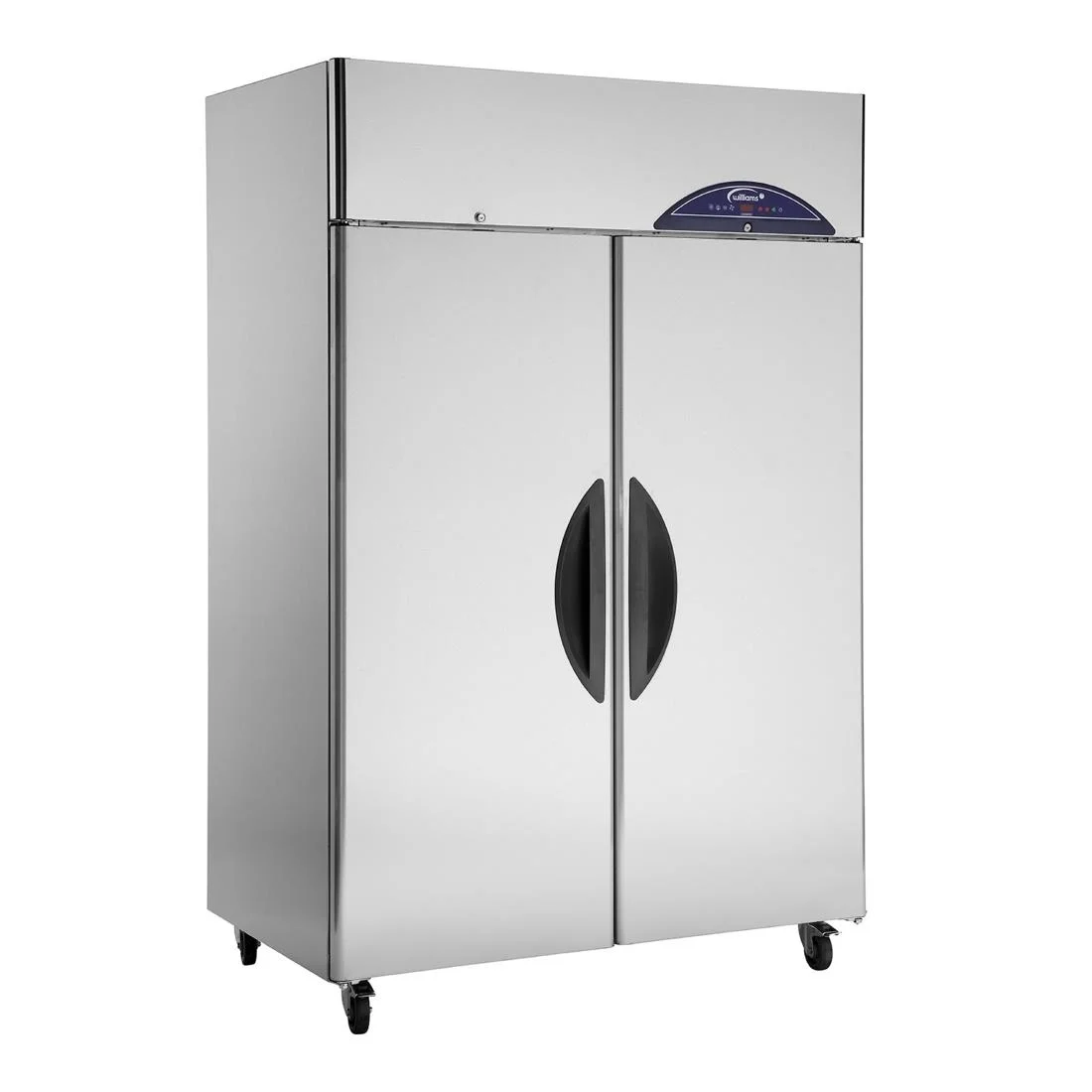
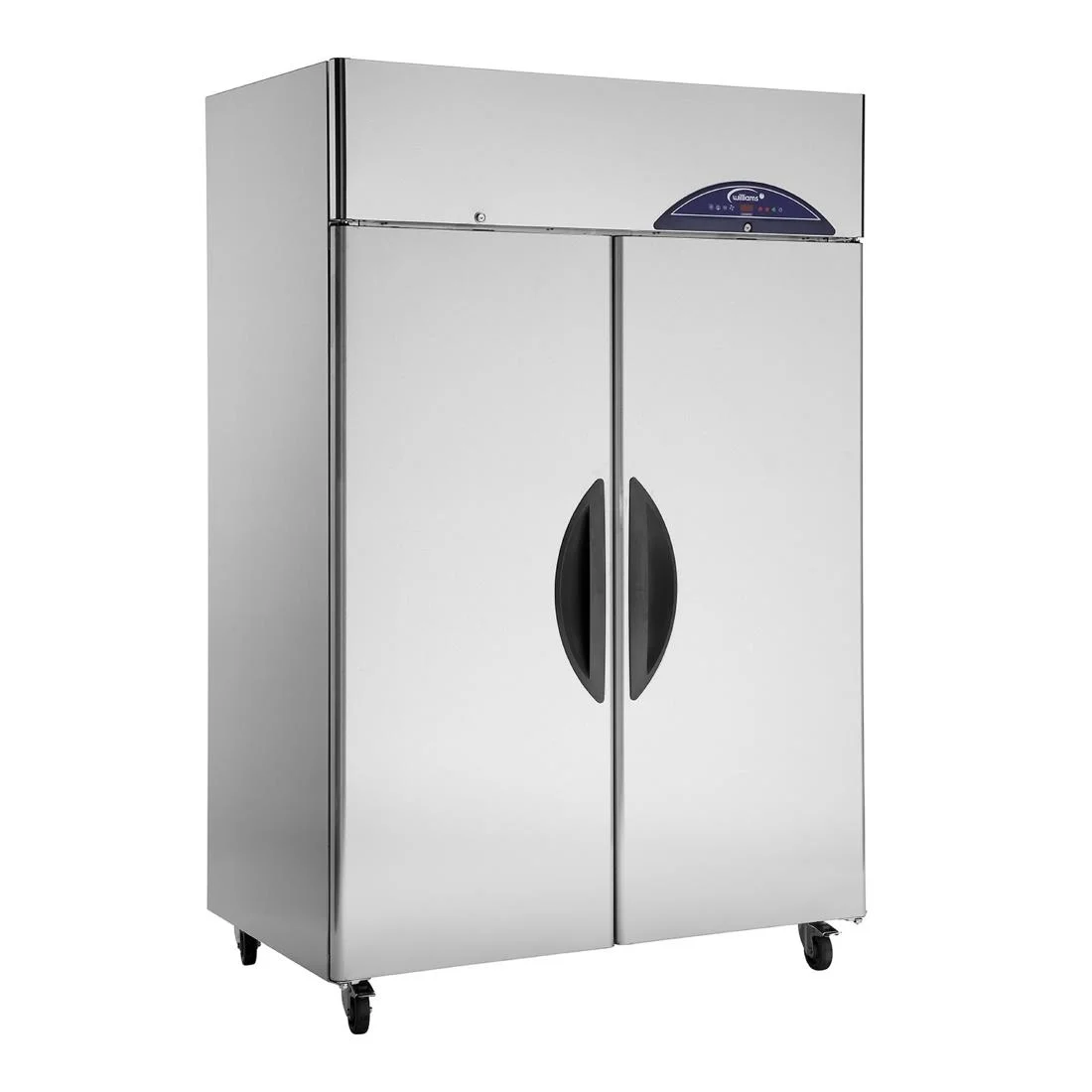
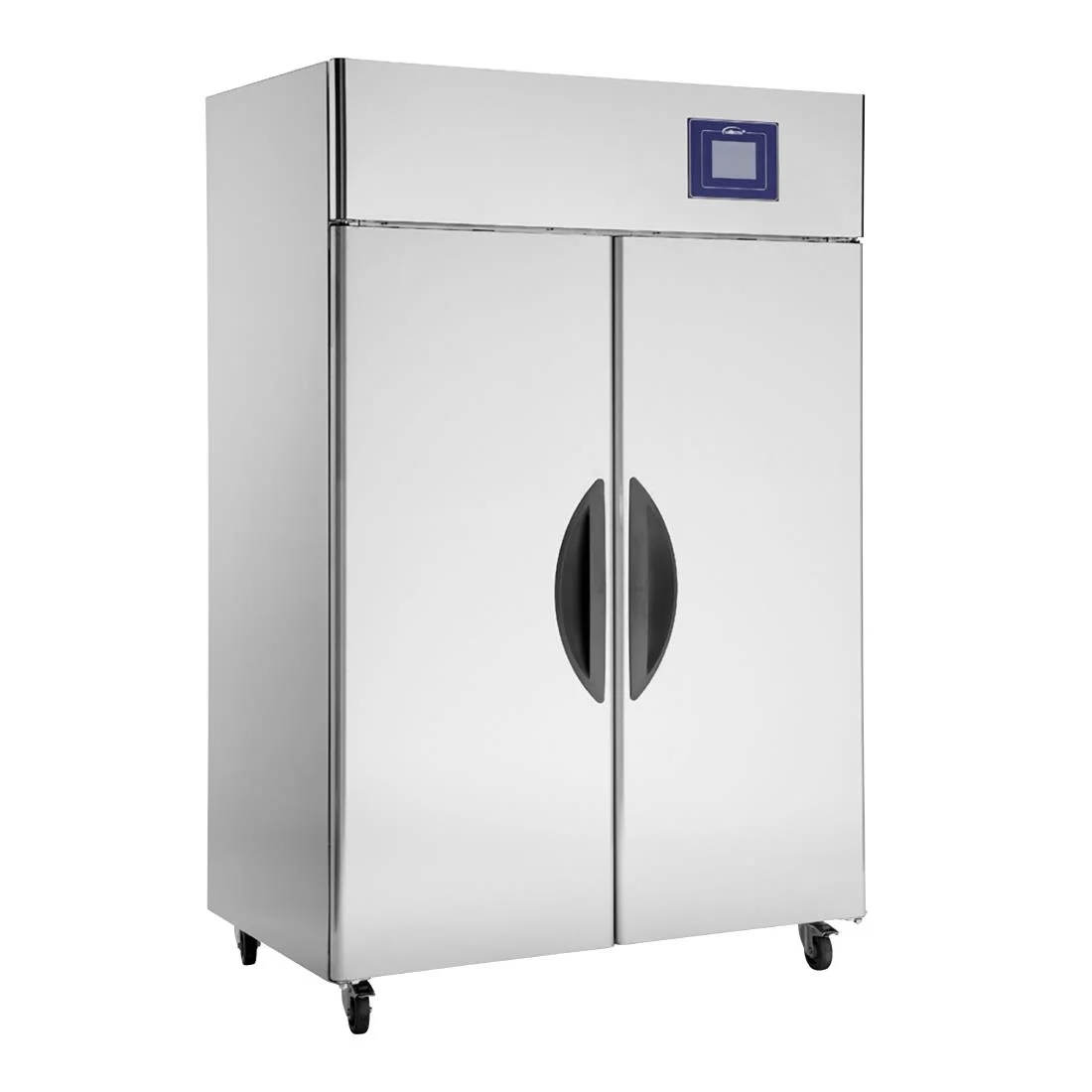
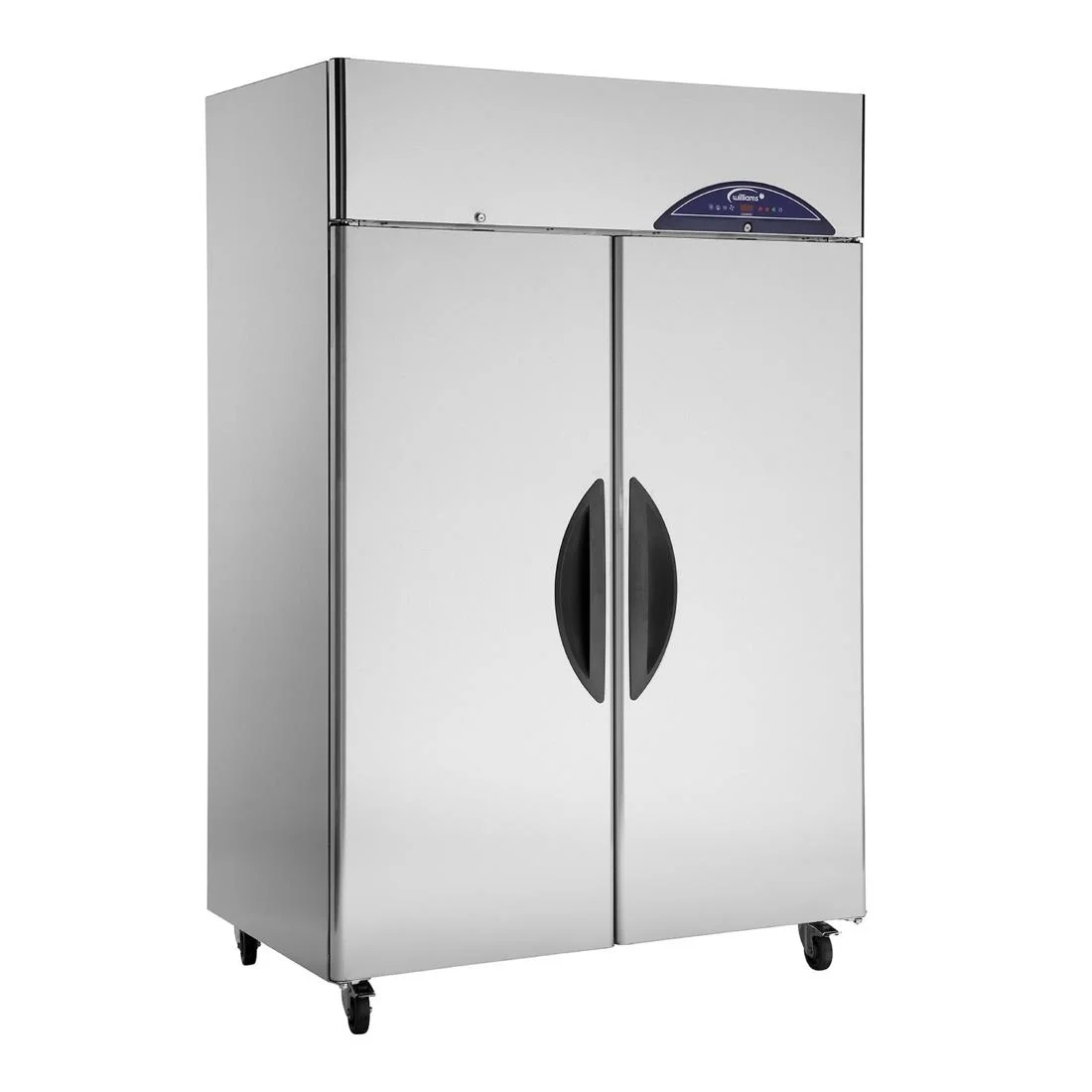
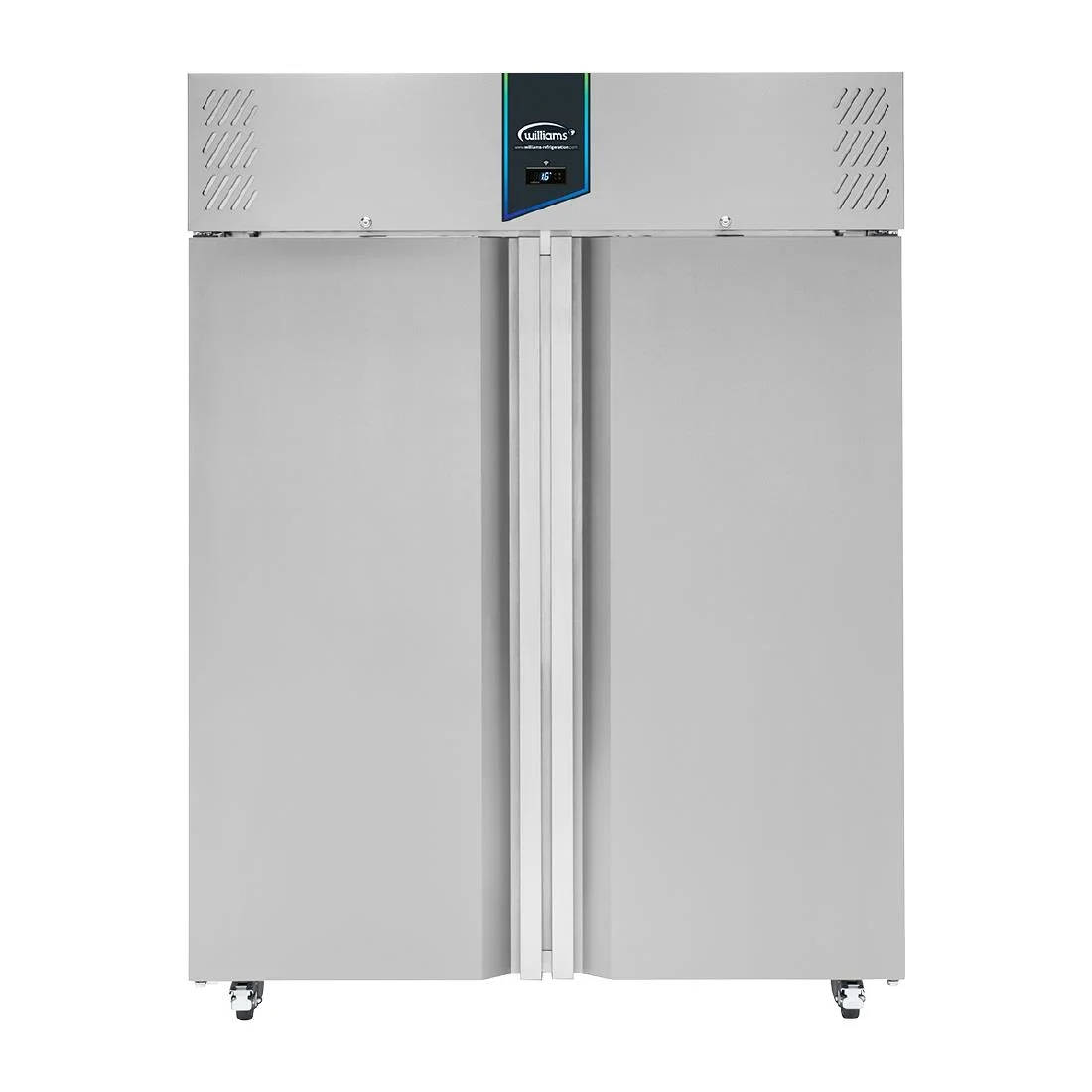
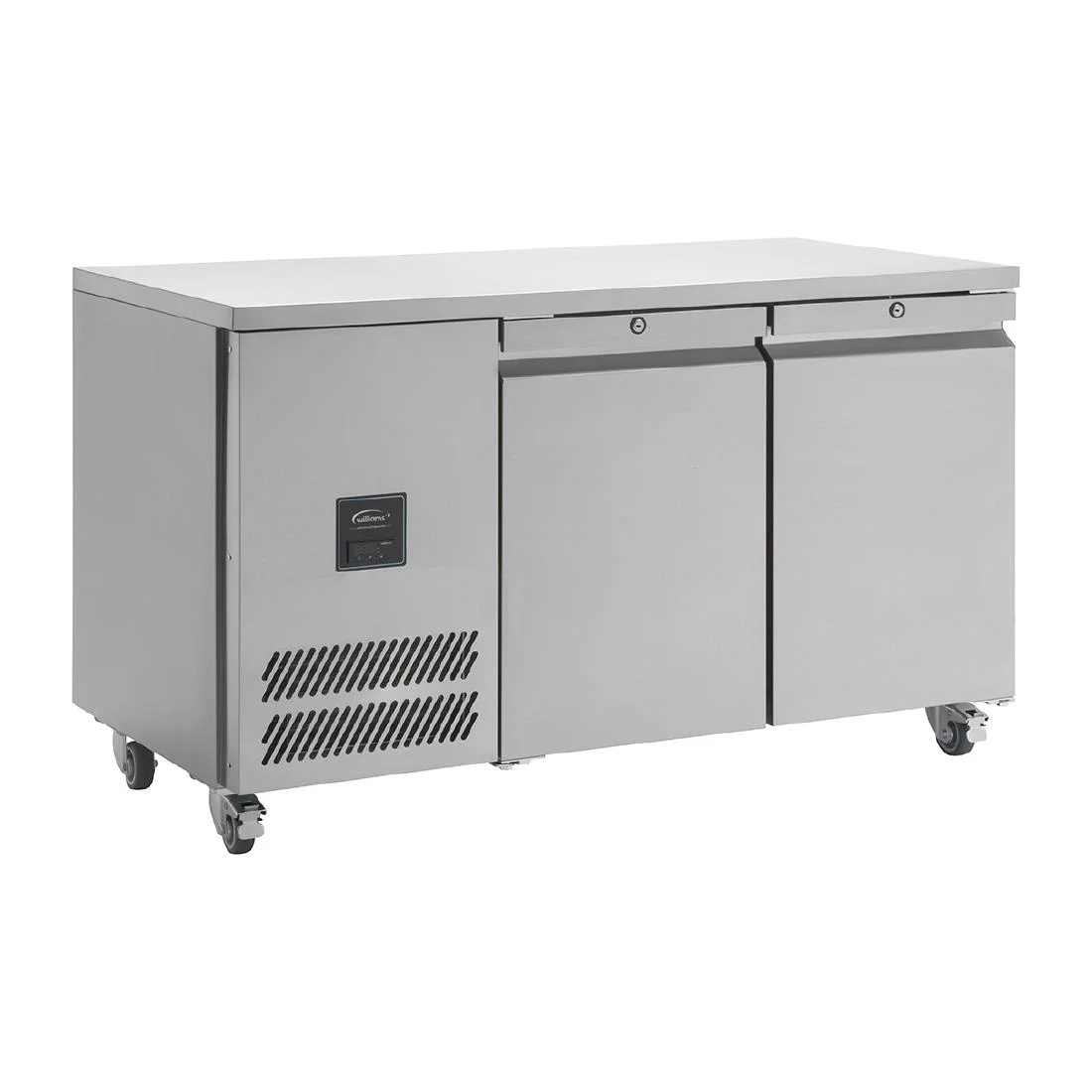
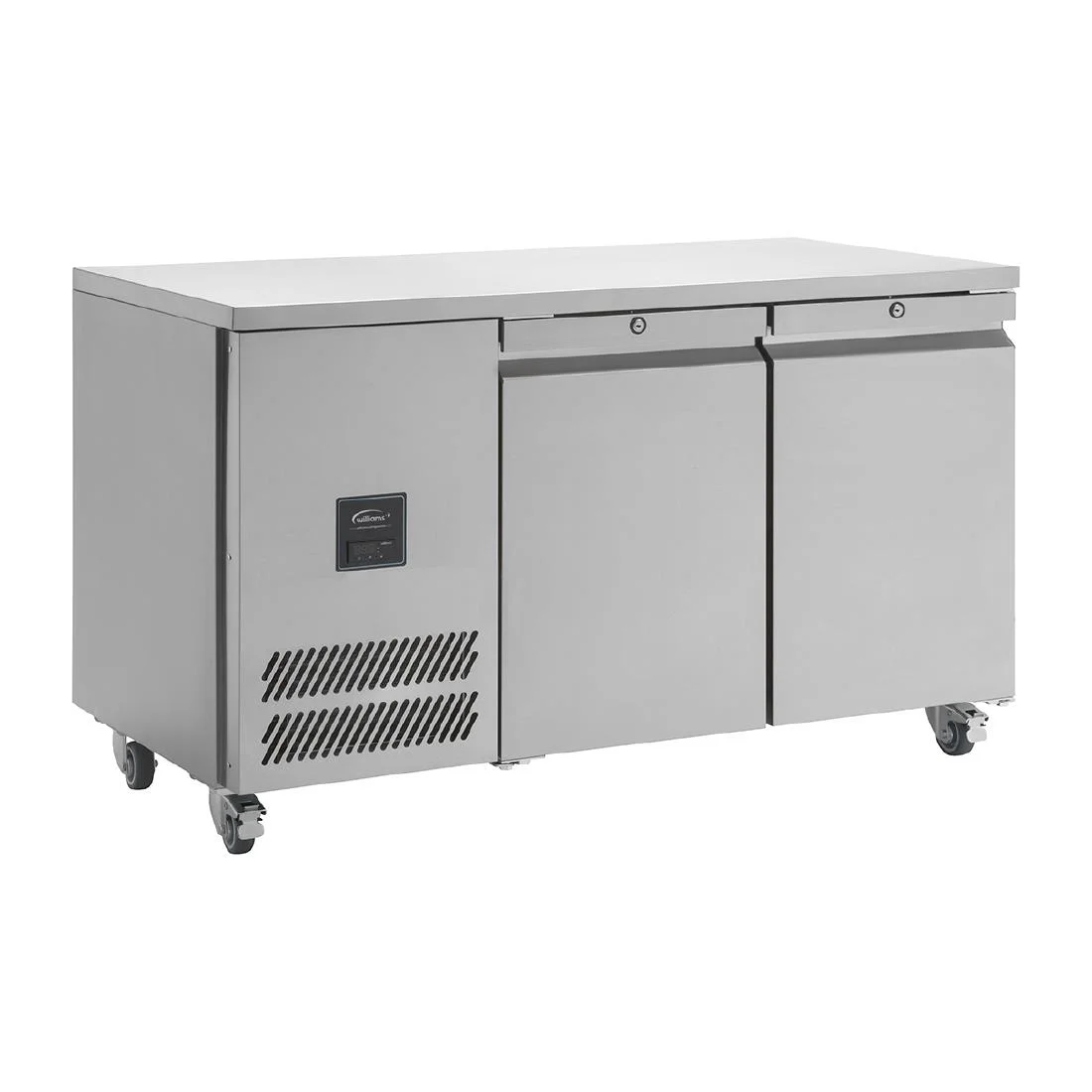
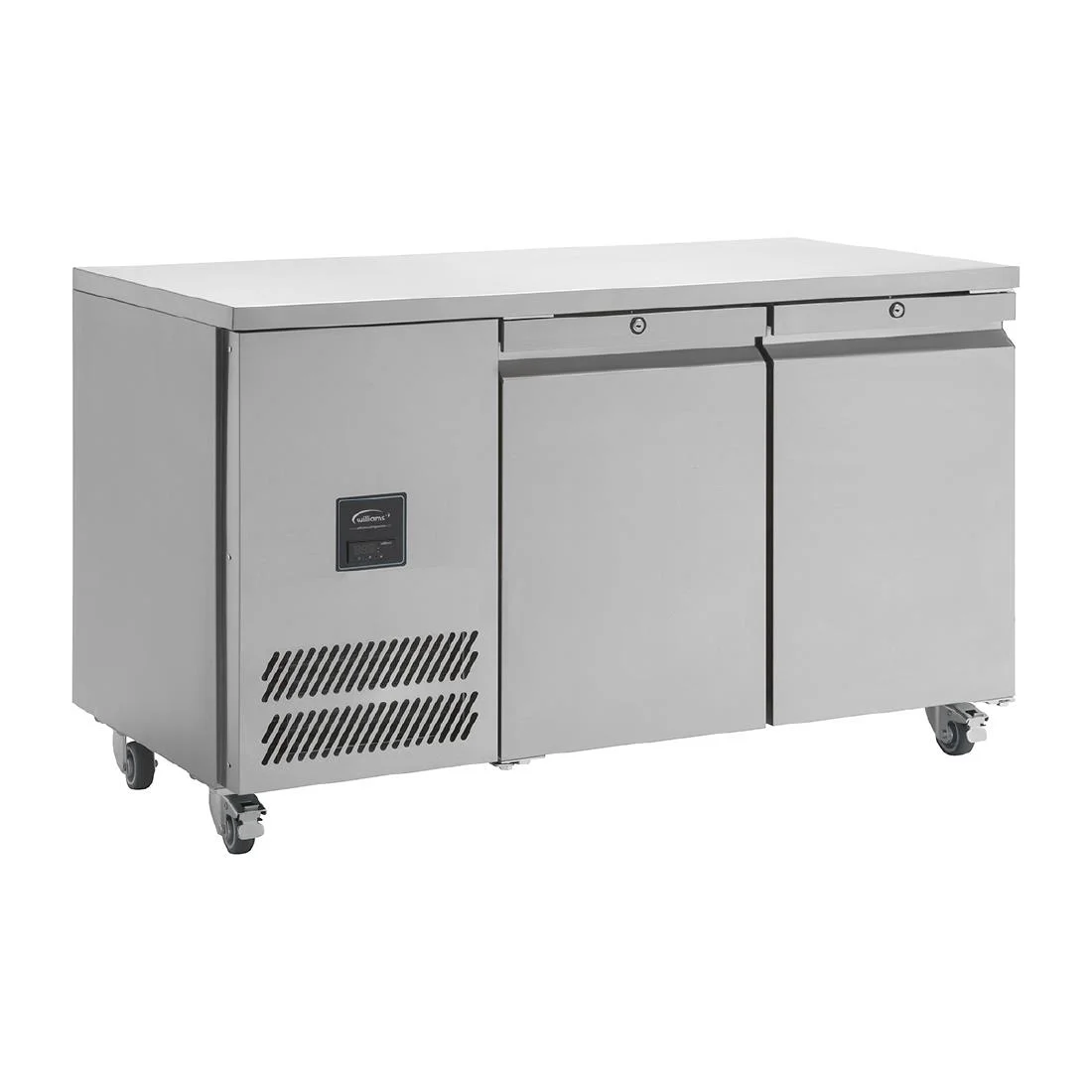
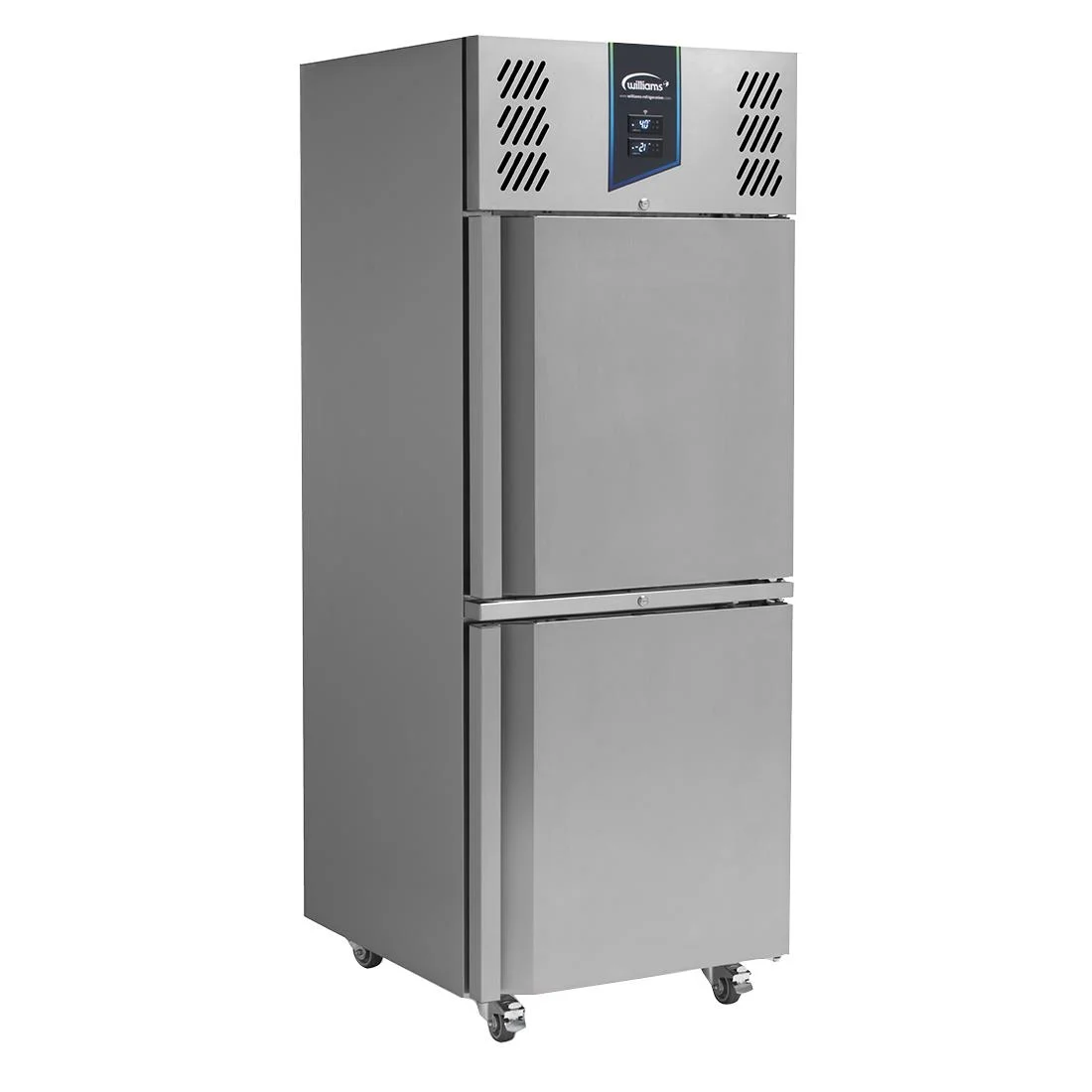
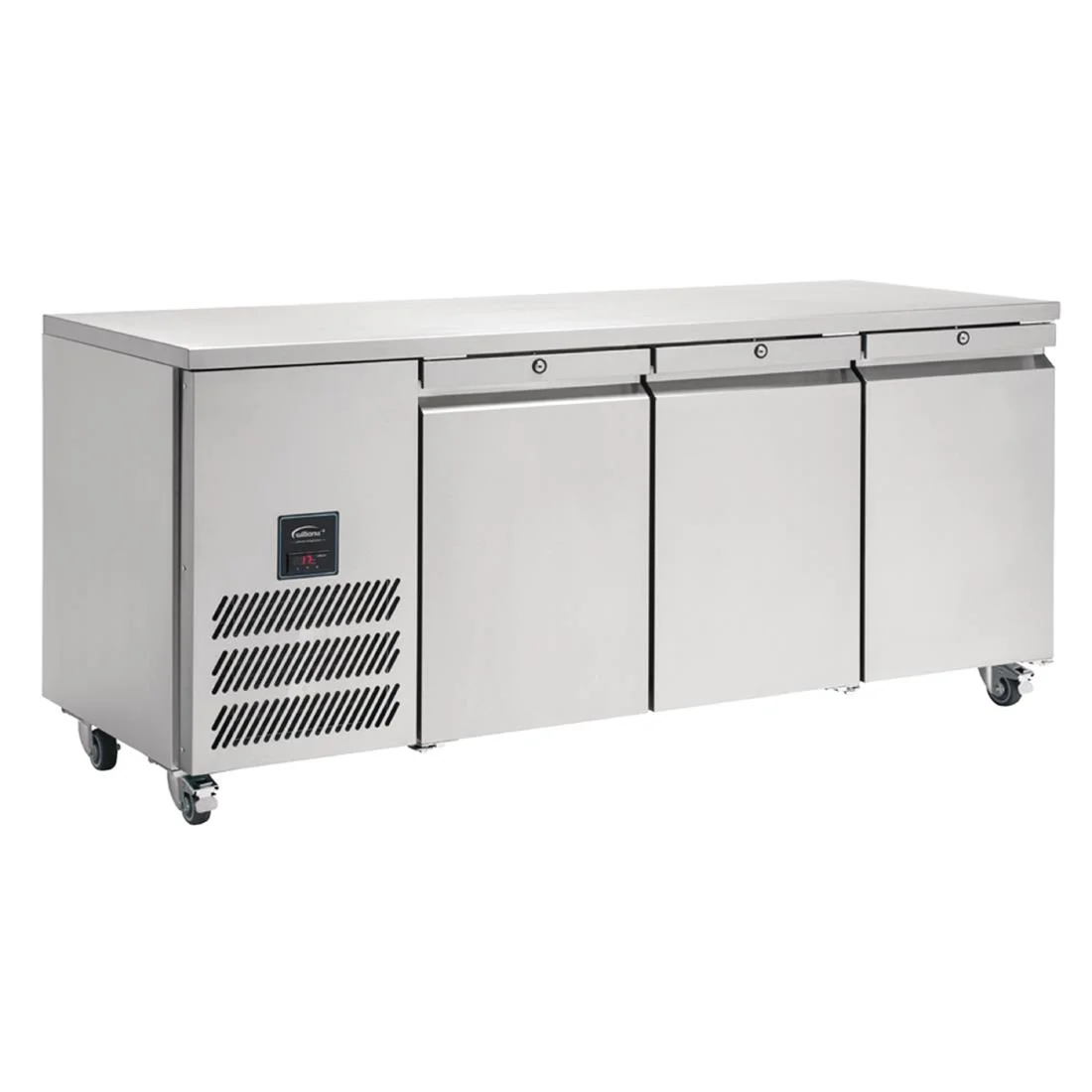
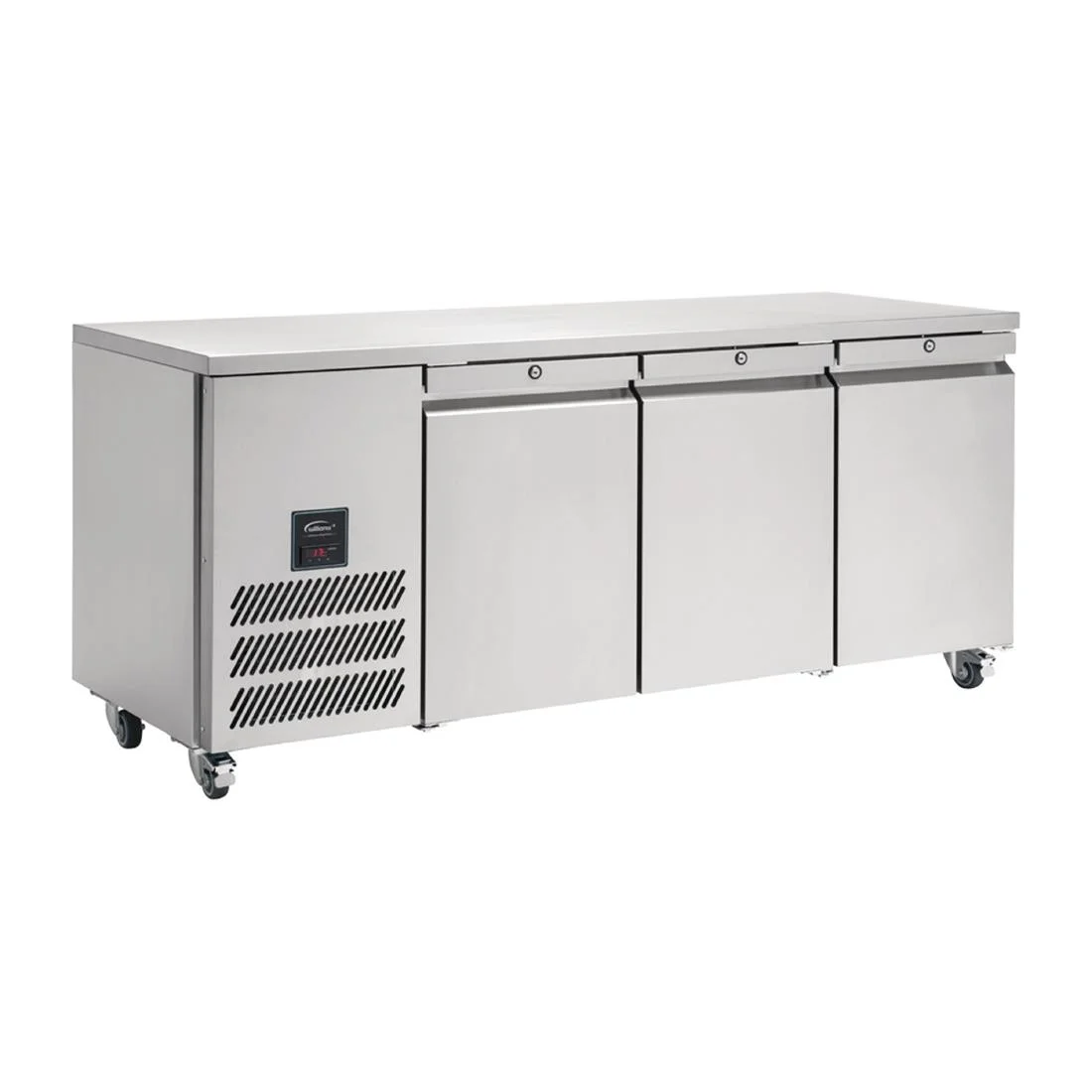
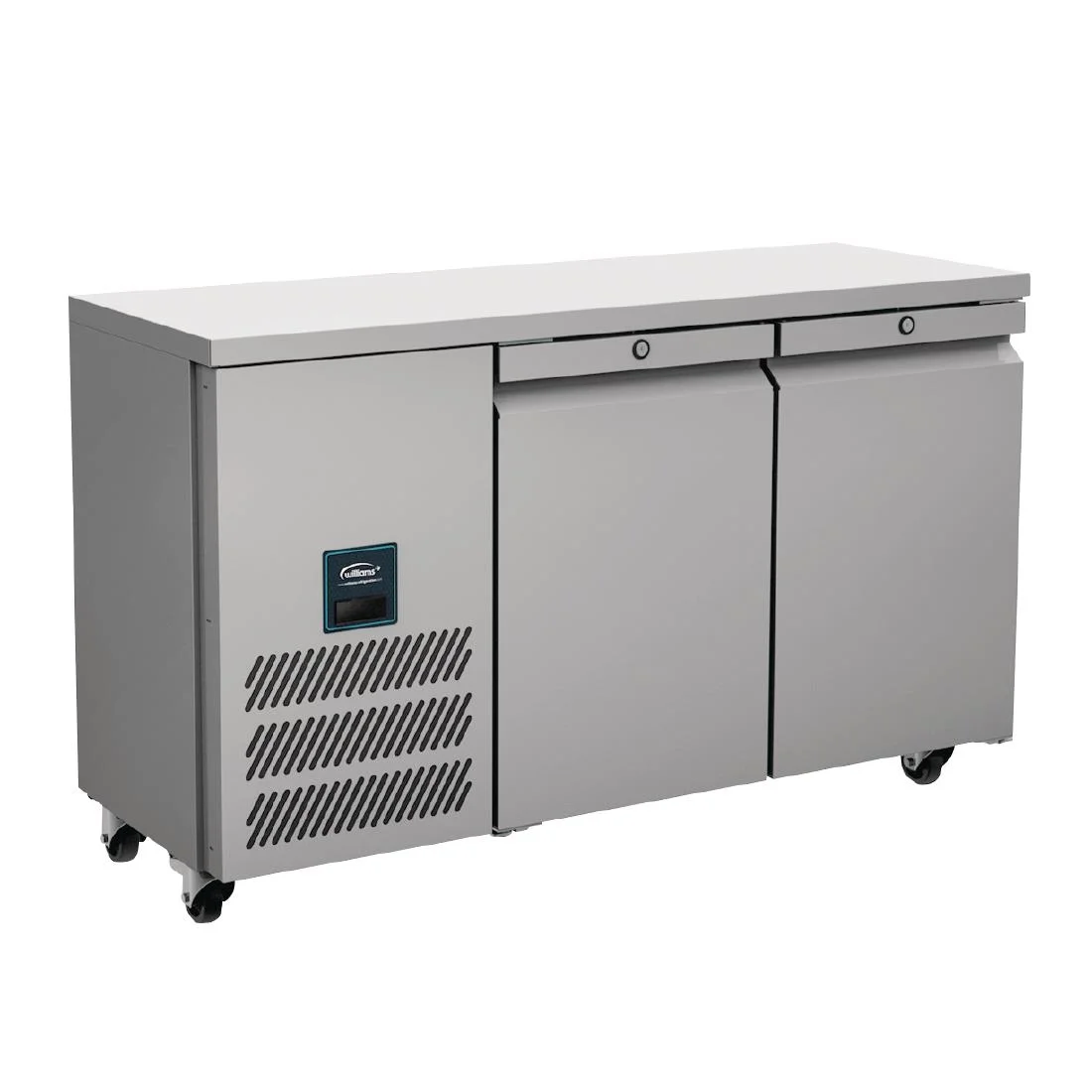
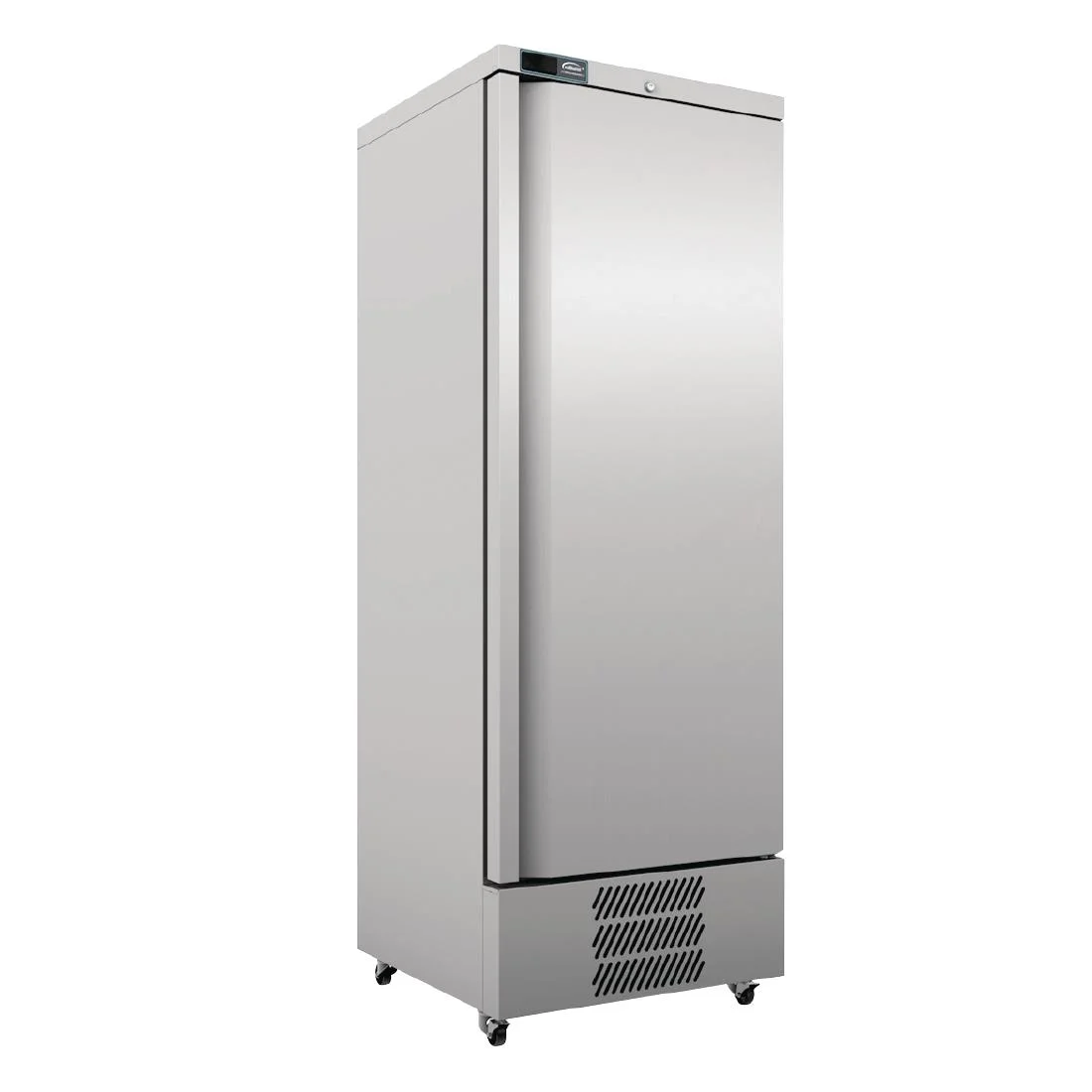
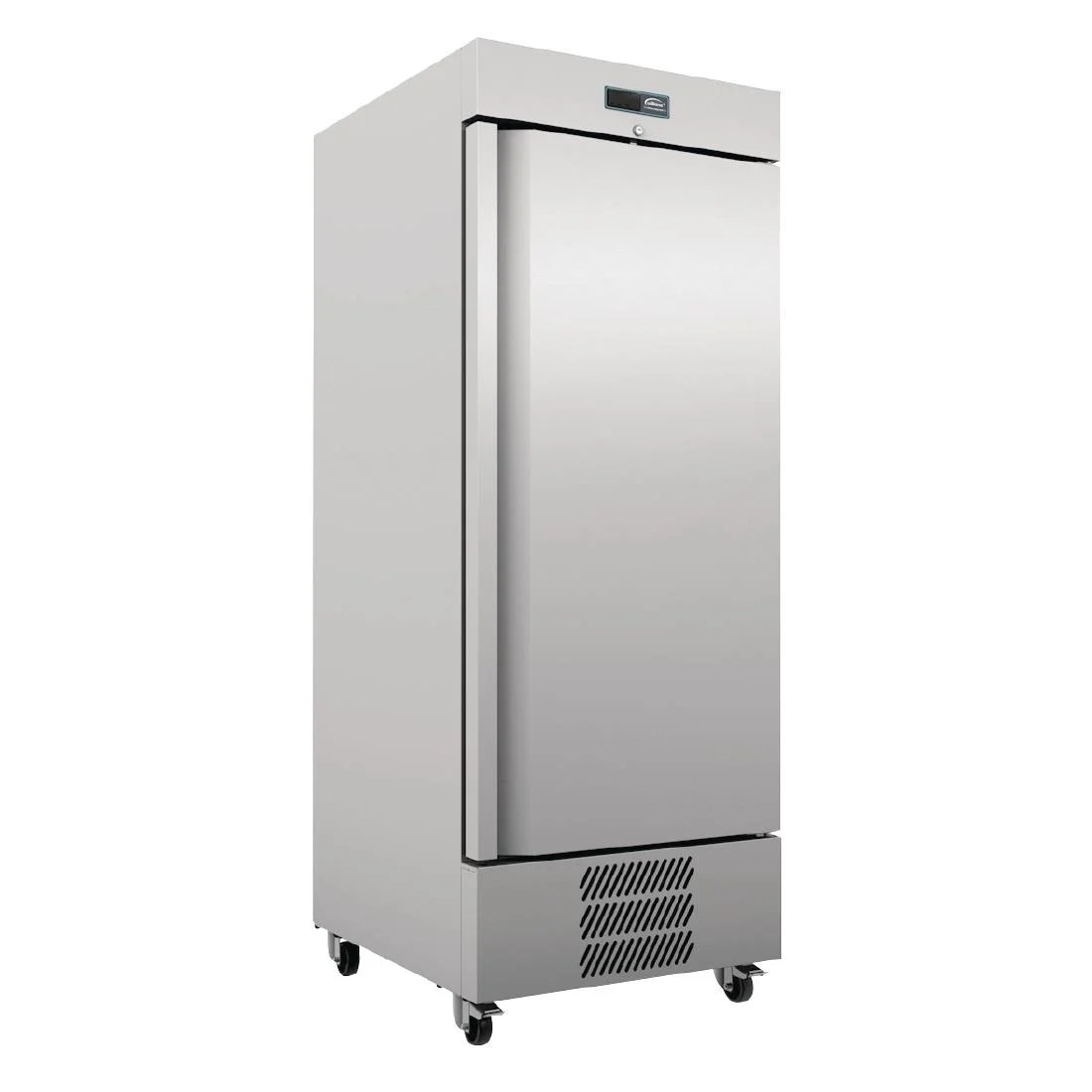
Discover premium commercial refrigeration solutions from Williams Refrigeration at Smart Hospitality Supplies. Renowned throughout the hospitality and catering industry, Williams Refrigeration has built a global reputation for delivering high-performance, energy-efficient and reliable refrigeration equipment for professional kitchens, bars, bakeries, food production facilities and front-of-house environments.
Established in the UK in 1980, Williams continues to manufacture and innovate commercial refrigeration systems designed to meet the demanding requirements of modern foodservice operations.
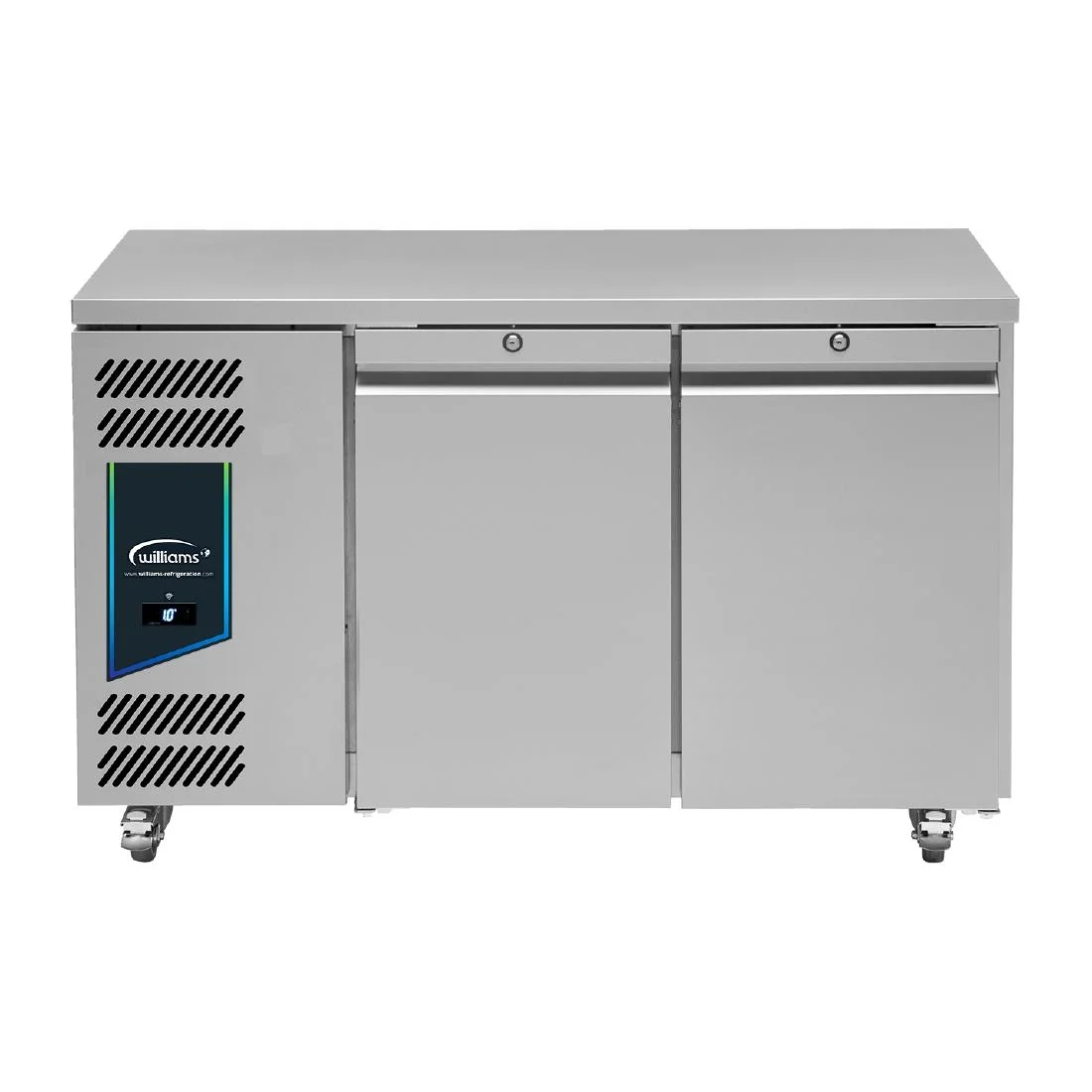
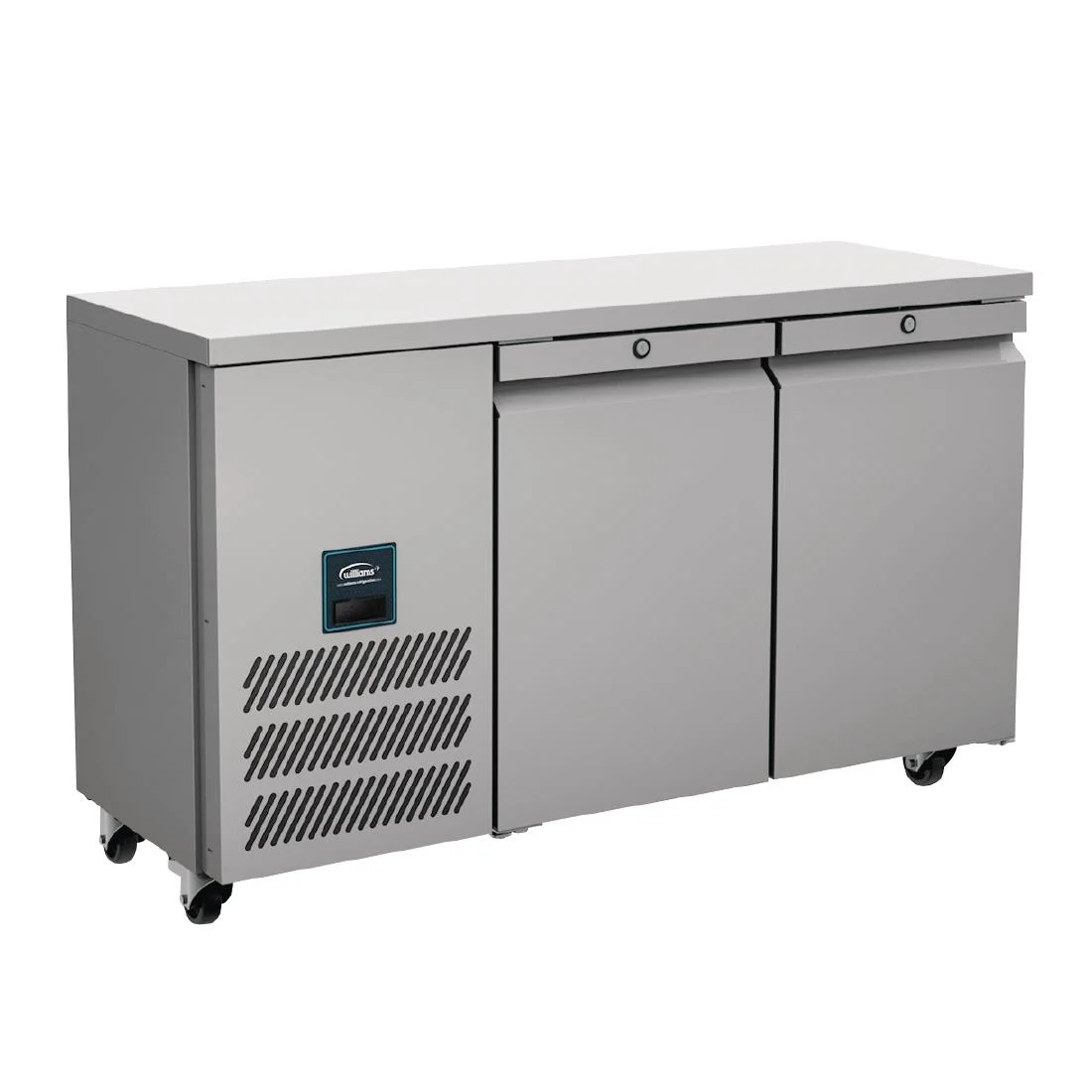
379W. Total usable capacity: 146Ltr. R290
272W. Total usable capacity: 146Ltr. R290
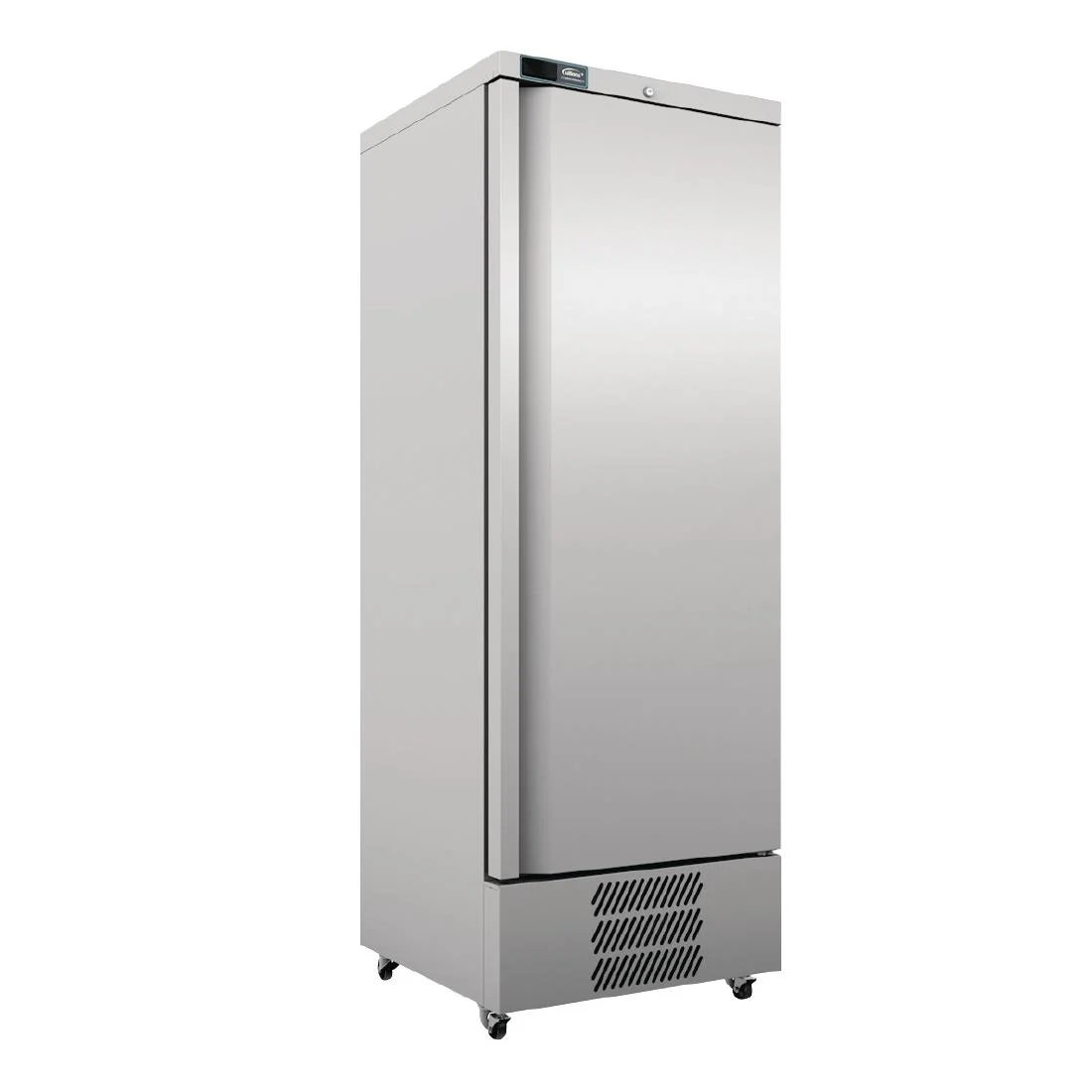
231W. Total usable capacity: 76Ltr. R290
231W. Total usable capacity: 91Ltr. R290
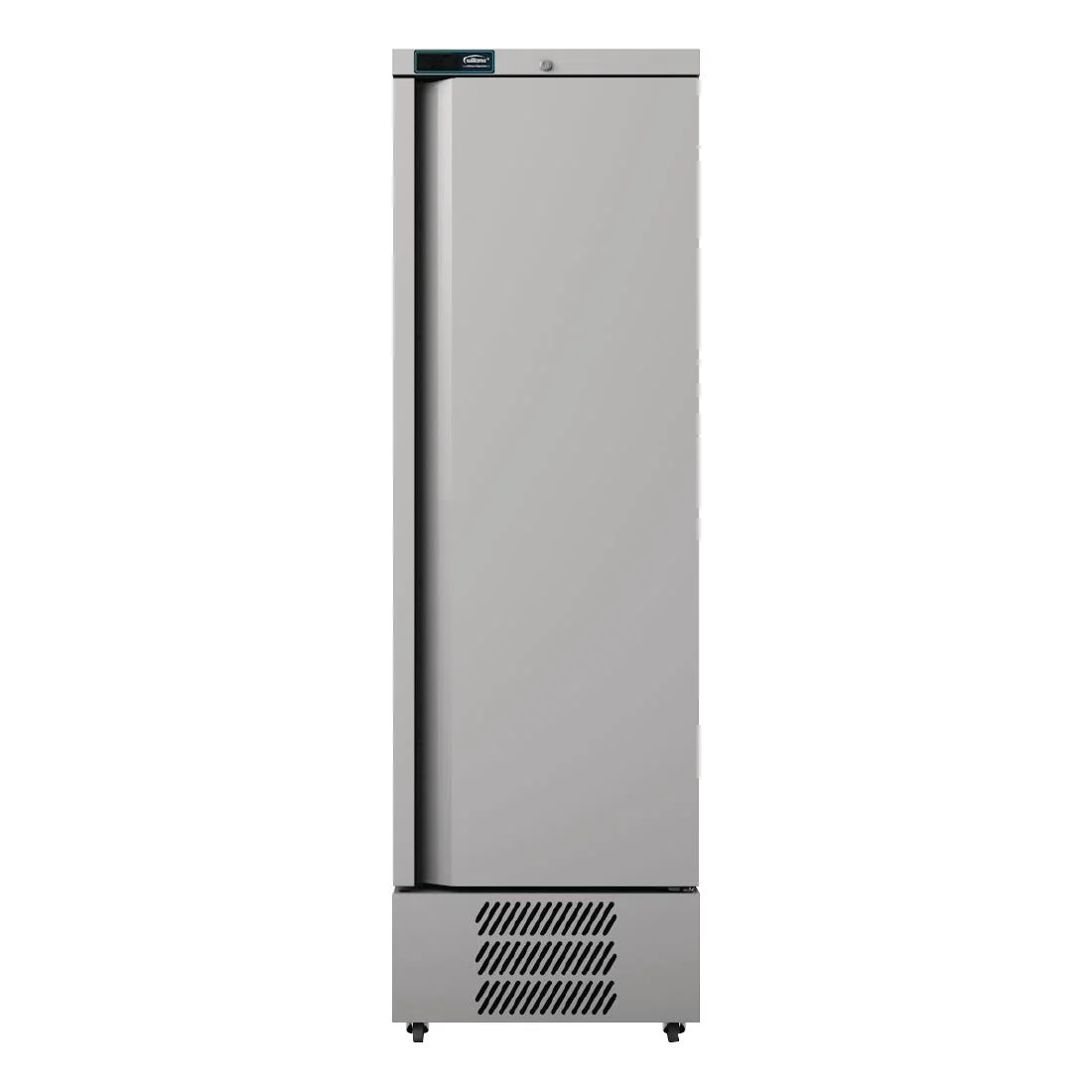
250W. Total usable capacity: 76Ltr. R290
250W. Total usable capacity: 91Ltr. R290
Stainless steel exterior and aluminium interior
Stainless steel exterior and interior
Stainless steel exterior and aluminium interior
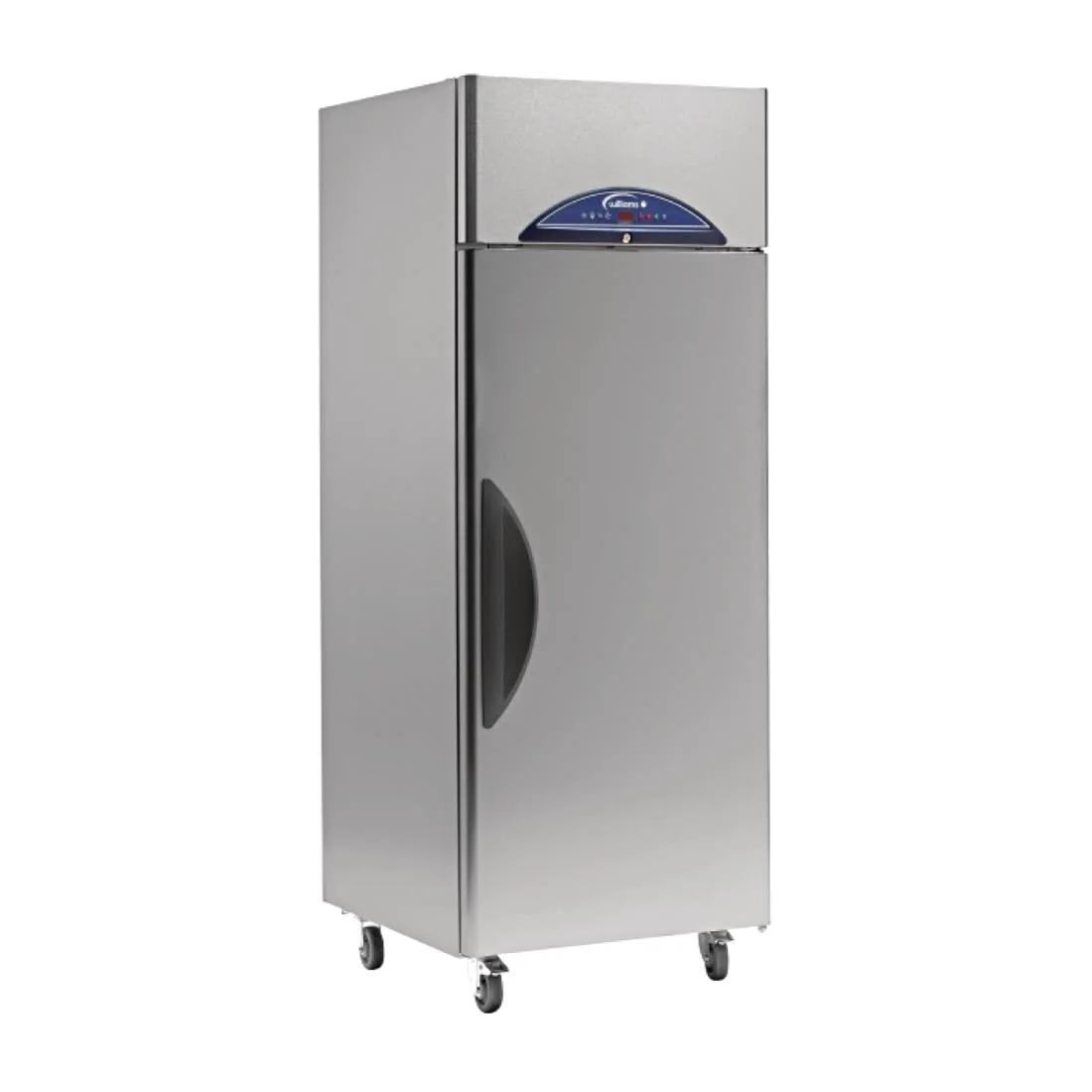
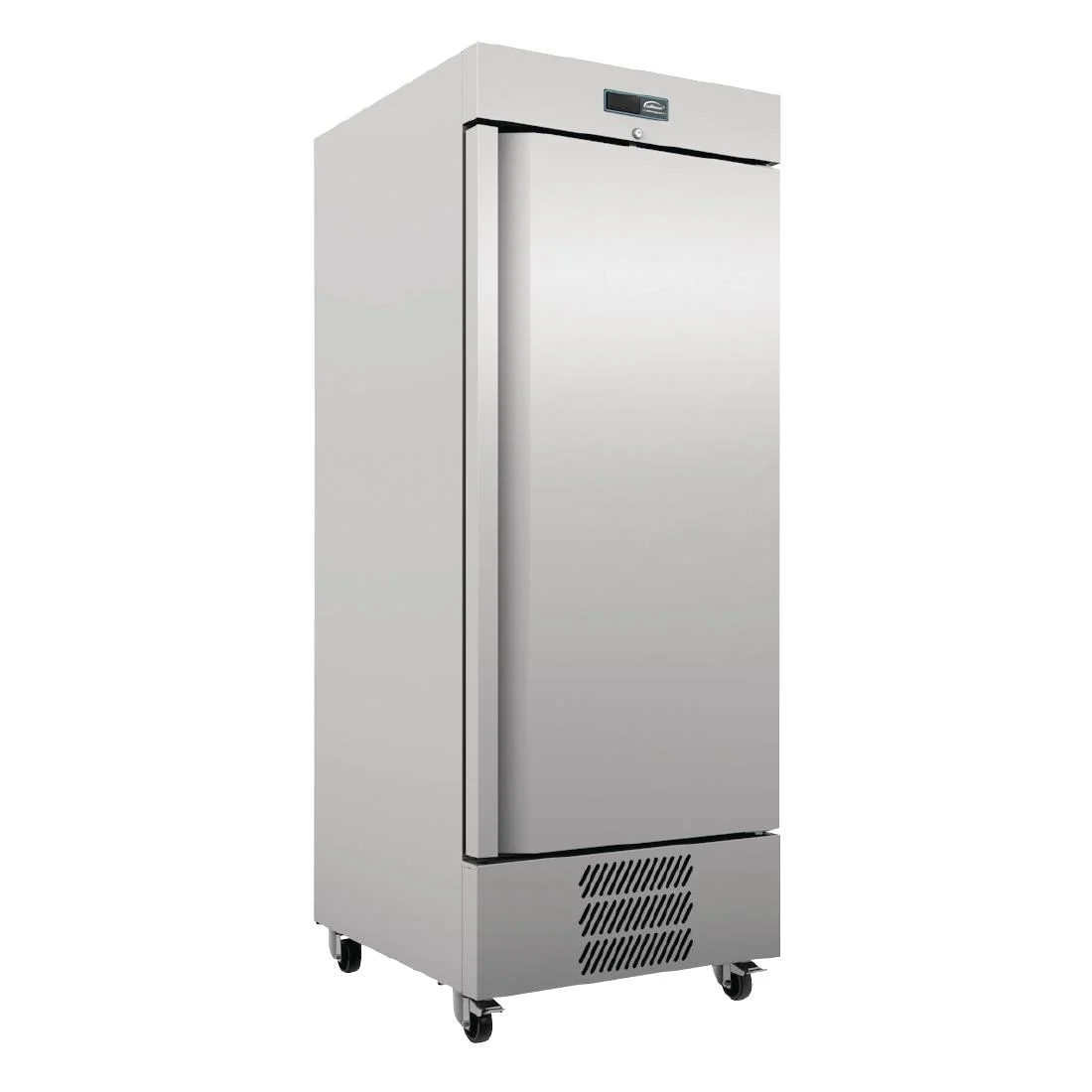
Total usable capacity: 727Ltr. R290
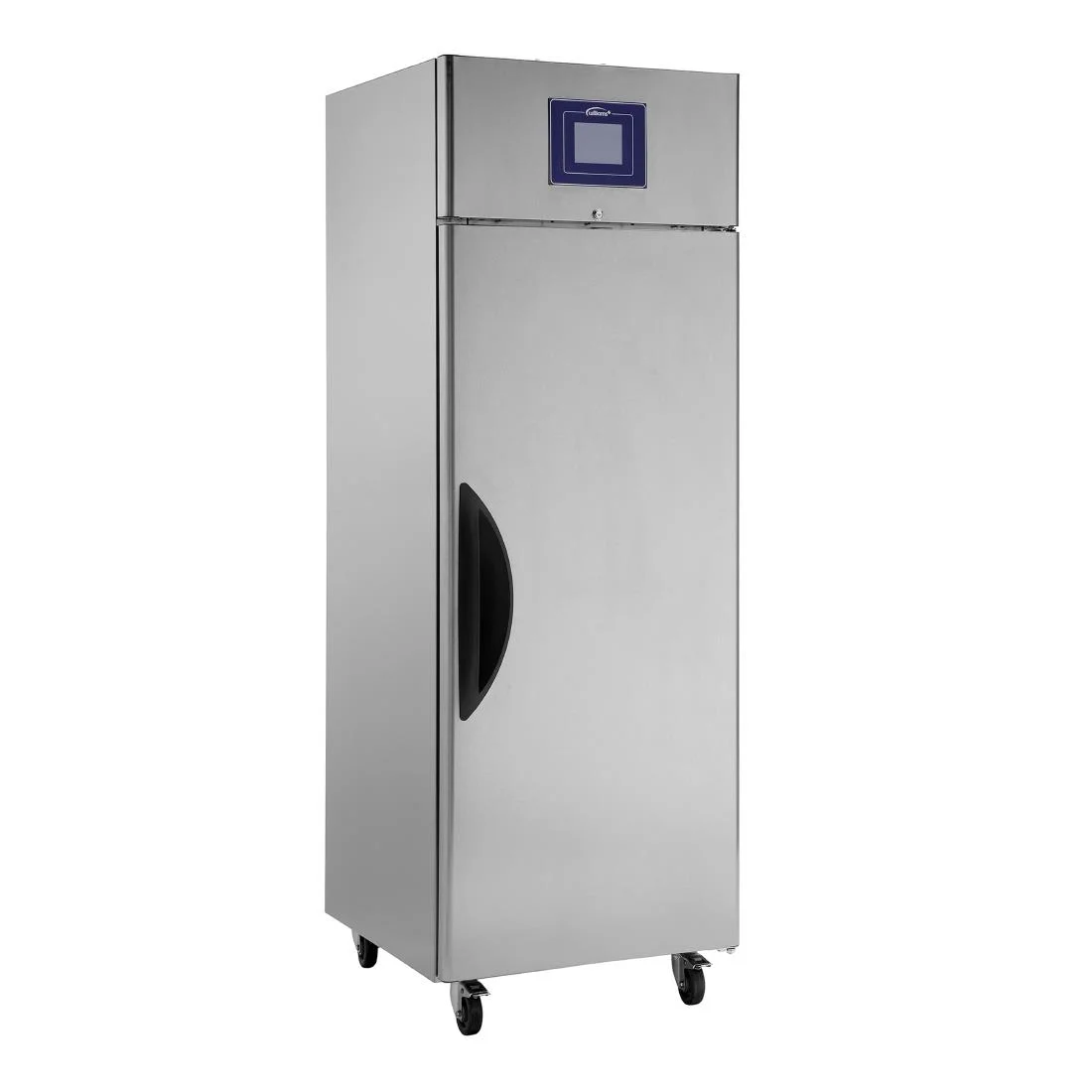
Total usable capacity: 662Ltr
Stainless steel exterior and interior
Total usable capacity: 727Ltr. R290
Fan assisted. Gastronorm compatible: 2/1GN
Width: 1810mm. Fan assisted. Gastronorm compatible: 2/1GN
Width: 1810mm. Gastronorm compatible: 2/1GN
Fan assisted. Gastronorm compatible: 2/1GN
389W. Total usable capacity: 206Ltr. R290
265W. Total usable capacity: 206Ltr. R290
389W. Total usable capacity: 137Ltr. R290
265W. Total usable capacity: 137Ltr. R290
Stainless Steel Exterior & Aluminium Interior. 1 Door
Stainless Steel Exterior & Interior. 1 Door
Stainless Steel Exterior & Aluminium Interior. 1 Door
Stainless Steel Exterior & Interior. 1 Door
262kW. Total usable capacity: 467Ltr. R290
The Williams range includes commercial fridges, freezers, refrigerated counters, blast chillers, bakery refrigeration, multidecks, coldrooms, bottle coolers and specialist food preparation refrigeration systems.
Designed with durability, food safety and energy efficiency in mind, Williams refrigeration equipment is trusted by restaurants, hotels, cafés, pubs, schools, healthcare facilities and catering businesses across the UK and worldwide. Many Williams products are manufactured using robust stainless steel construction and advanced temperature control technology to ensure dependable day-to-day performance in busy commercial environments.
At Smart Hospitality Supplies, we supply a wide selection of Williams commercial refrigeration equipment to help businesses maintain food freshness, improve operational efficiency and comply with food safety standards.
Whether you require upright refrigerated cabinets, undercounter refrigeration, modular coldrooms or professional blast chillers, Williams offers dependable solutions engineered for long-term commercial use. Their continued focus on innovation, sustainability and low energy consumption also makes Williams a preferred choice for businesses seeking environmentally conscious refrigeration systems.
Browse the complete Williams Refrigeration collection online today and discover professional refrigeration equipment built to perform in demanding hospitality and catering environments.
Which types of Williams equipment can I choose for a commercial kitchen?
The Williams range covers undercounter and upright fridges and freezers, refrigerated work counters, MultiTemp storage, preparation stations and wells, blast chillers and blast chiller freezers. There are also Crystal bakery cabinets, Gem chilled multidecks, bottle wells, underbroiler drawer counters, an upright heated cabinet and specialist meat, fish and pharmacy models. Start with the job the equipment must perform: holding ingredients beside the cooking line, storing bulk deliveries, displaying chilled food or processing a batch after cooking all call for different equipment. A useful kitchen specification may combine several formats rather than rely on one large cabinet.
Should I choose an upright cabinet, an undercounter fridge or a refrigerated counter?
An upright cabinet is worth considering when you need substantial storage on a limited floor area, while an undercounter model places smaller stocks within reach beneath a suitable work surface. A refrigerated counter combines storage with a working area, which can suit a restaurant preparation section or a busy catering line. Compare access as well as litres: staff need room to open doors, withdraw trays and move past the unit during service. Williams offers single and double-door cabinets, multi-door counters and compact Aztra undercounter options, so choose the layout around the way your team loads, prepares and retrieves food.
What is the difference between Williams Aztra and Jade models?
Aztra includes single and double-door undercounter fridges and freezers for compact storage. Jade offers a broader choice of upright cabinets and counters, including meat-storage models, slimline counters and undermount cabinets. Their internal formats differ: the Aztra LAZ10CT-SA freezer is listed for 1/1 GN, the Jade LJ400U-SA undermount freezer also takes 1/1 GN, and the larger Jade LJ2-SA cabinet freezer is listed for 2/1 GN. Treat the range name as a starting point, then compare the exact model’s tray format, usable volume, dimensions and operating conditions.
When is a slimline Williams counter a better choice than a wide counter?
A slimline counter can help where a narrow kitchen needs more working clearance. For example, the Jade LJSC3-SA three-door freezer counter is listed at 500mm deep with 2/3 GN shelving. The LJWC2 wide counter freezer is 800mm deep and accepts 2/1 GN trays, making it a different proposition for larger containers and batch preparation. Check your existing pans before choosing: reducing cabinet depth can change the tray format as well as the storage space. Include door opening and staff movement in the planned footprint rather than comparing cabinet depth alone.
How should I compare Williams storage capacity and Gastronorm compatibility?
Compare the published capacity with the net usable volume, internal dimensions and shelf or tray arrangement. These figures answer different questions. The Jade LJ400U-SA freezer, for example, is described as 410 litres with a listed net volume of 304 litres, while the LJ2-SA is described as 1,295 litres with a listed net volume of 1,021 litres. Check the GN size and the depth of your containers, then work out how many portions or deliveries the actual layout must accommodate. A larger headline volume does not by itself establish how many of your trays will fit.
What does MultiTemp mean on a Williams fridge freezer?
MultiTemp provides an adjustable operating temperature so storage can be set for different food requirements. The VJC2 double-door counter, for example, is listed with a range from -22°C to +8°C and a CoolSmart controller; its features include Wi-Fi for remote monitoring, temperature adjustment and HACCP logging. This flexibility can be useful when menu or stock requirements change. Do not assume that every compartment can hold a different temperature simultaneously: establish the temperature zones and controls on the particular model before planning separate chilled and frozen stocks in the same unit.
Are Williams meat fridges, fish fridges and meat ageing cabinets interchangeable?
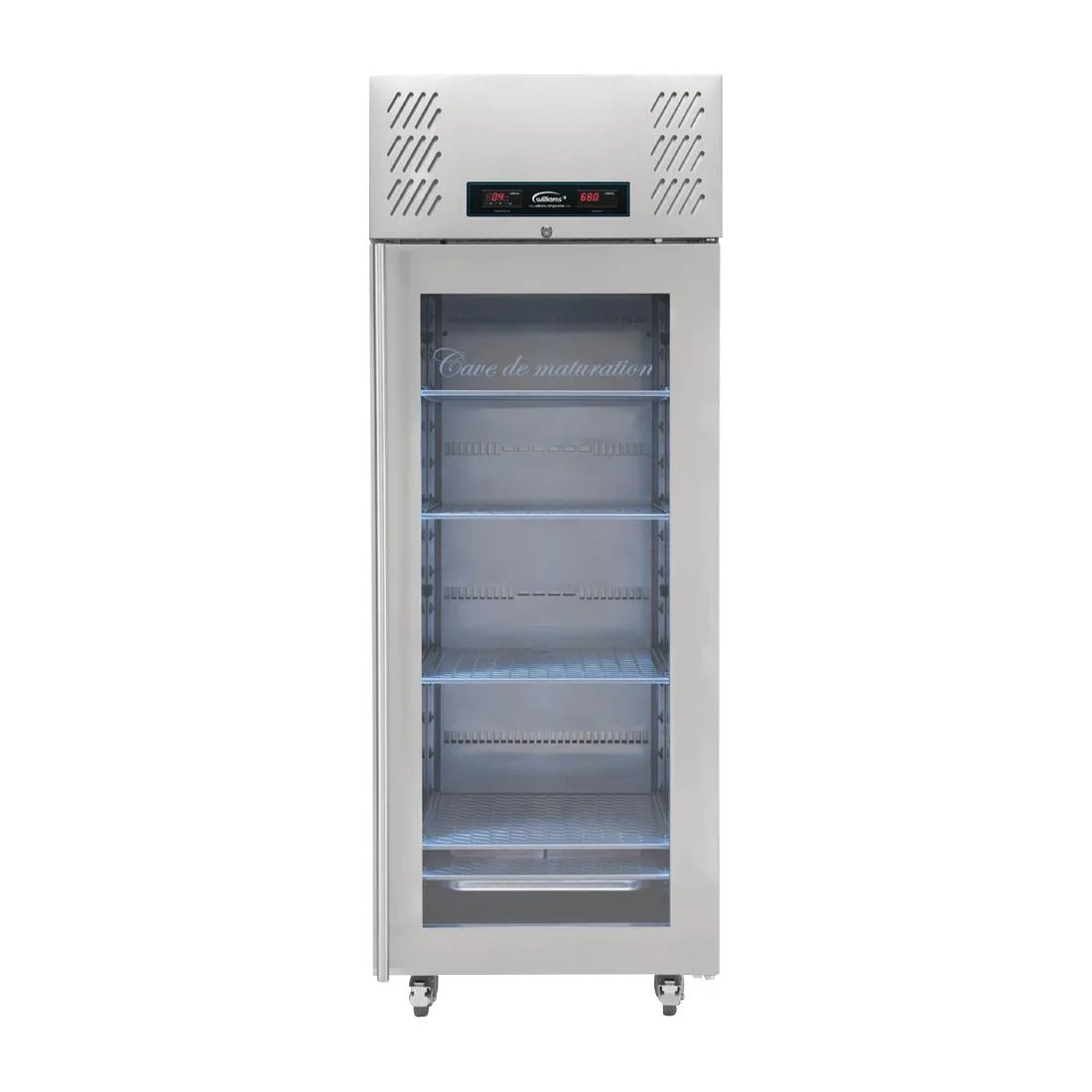
Choose them for their intended application. The range includes dedicated meat-storage counters and cabinets, the FJ1 fish fridge and the MAR1-SS meat ageing refrigerator. The MAR1-SS is designed for dry ageing and display, with a listed +1°C to +6°C operating range, 60–90% humidity range, a glass door and internal lighting. Those features distinguish it from an ordinary storage cabinet. Match the exact model to your product, process and storage requirements rather than treating a similar capacity or a stainless steel finish as evidence of equivalent suitability.
What should a steak restaurant check before buying the Williams MAR1-SS meat ageing refrigerator?
Plan both the ageing load and the display position. The 620-litre MAR1-SS is supplied with four perforated 2/1 GN stainless steel shelves, each with a stated maximum load of 20kg. Its self-closing, lockable glass door and full-height LED lighting allow the contents to be displayed, while removable racking helps with access for cleaning. Check the size and arrangement of your cuts against the shelf layout and confirm that the cabinet’s temperature and humidity capabilities suit your ageing process. Cabinet capacity alone is not a substitute for checking shelf loads and the space your meat requires.
How do Williams Onyx preparation counters differ from refrigerated preparation wells?
Onyx counters combine refrigerated cabinet storage with an ingredients preparation area. For example, the four-door CPC4-SS offers 835 litres of storage and accommodates ten 1/3 GN ingredients pans. The TW15-S3 preparation well is a separate, shallower unit listed for seven 1/3 GN pans and suitable for 100mm-deep 1/3 and 1/6 GN containers; pans are sold separately. Temperature requirements also differ: the CPC4-SS is listed at +1°C to +4°C, while the TW15-S3 is listed at +4°C to +8°C. Choose around your ingredients and service process rather than assuming every preparation unit offers the same storage conditions.
Which Onyx features are useful for pizza, sandwich and salad preparation?
An Onyx preparation station brings ingredients and refrigerated reserve stock together at the preparation point. The CPC4-SS and CPC5-SS have self-closing doors, removable racking, a removable crumb tray and a lift-off night cover, giving staff practical access for loading and cleaning. Their doors have a 115° dwell position for loading larger trays and pans. Compare the number of ingredients you need at hand with the cabinet storage beneath, and check the exact pan arrangement before ordering containers. Allow working space for the doors and for staff replenishing the station during service.
When would drawers be more useful than doors on a Williams refrigerated counter?
Drawers are worth considering where a cooking station needs direct access to organised GN containers, while doors give access to a cabinet’s shelf and racking arrangement. Williams offers Vari Temp Chef’s Drawer models as well as two and four-drawer underbroiler counters. The UBC20 four-drawer underbroiler is listed for four 2/1 GN or eight 1/1 GN containers and a +1°C to +4°C operating range. Compare container size, drawer clearance and the stock needed at each station. Check the controls and temperature specification of the selected drawer model rather than assuming all drawer products have the same capabilities.
Can a Williams underbroiler counter support cooking equipment?
The UBC20 is specifically described as a low refrigerated counter designed to accommodate chargrills or griddles, including 900mm units. This can place chilled ingredients beneath the cooking position while retaining a low working height. Before combining equipment, confirm the intended appliance arrangement and the counter’s permitted loading and installation requirements. Do not extend that use to an ordinary refrigerated counter solely because it has a stainless steel top. Also allow for opening the drawers and accessing the refrigeration system for servicing.
What is the difference between a Williams blast chiller and a blast chiller freezer?
A blast chiller is designed to bring a cooked batch down to a chilled temperature; a blast chiller freezer adds a freezing cycle. The WBC20-SS blast chiller is described as chilling up to 20kg from +90°C to +3°C in 90 minutes or less. The WBCF10-SS blast chiller freezer is described as chilling up to 10kg over the same temperature change and freezing from +90°C to -18°C in 240 minutes or less. Choose the process your kitchen needs and check the exact model’s batch rating. These are process capabilities for specified loads, so plan around food type, loading and your kitchen’s food-safety procedures.
How do I size a Williams blast chiller for batch cooking?
Use the weight of food arriving from cooking in one batch, the tray layout and the time available before the next batch. The range includes compact 10kg machines and larger 20kg, 30kg, 40kg and 50kg options, alongside the 23kg J1BC blast chiller. Check the chilling and freezing ratings separately when both processes are required. The WBCF50 S3 with drain is described with a 50kg chilling and freezing capacity and space for thirteen 1/1 GN pans up to 40mm deep, with pans not included. A unit must accommodate the actual trays and food load, not merely the total daily production weight.
What are soft chilling, hard chilling and probe-controlled cycles used for?
On the WBCF10-SS and WBC20-SS, soft and hard chilling options let the operator select a cycle suited to the food. Soft chilling is intended for more delicate products, while hard chilling addresses denser loads. These models also offer core food temperature probe-controlled cycles, an audible end-of-cycle alarm and an automatic change to storage mode when the cycle finishes. Check the food and loading instructions for the selected machine when setting up your process; the availability of a cycle does not establish that every food or load can use the same programme.
Do all Williams refrigerators and blast chillers use a standard plug?
Electrical requirements vary by model. Many cabinets and smaller machines are listed as supplied with a plug, including the WBCF10-SS blast chiller freezer. The larger WBCF50 S3 with drain is specifically described as requiring a 16A three-phase hardwired supply and a connection to a main drain. Confirm voltage, phase, connection type and drainage for the exact product before arranging installation. For a replacement machine, compare its requirements with the services actually available at the intended position, rather than relying on the connection used by the previous appliance.
What site measurements should I take before ordering Williams equipment?
Measure the installation space and the delivery route, including doorways, turns and height restrictions. Allow for doors or drawers opening, the intended containers being withdrawn, ventilation and access for cleaning or servicing. An upright bakery cabinet can be substantially taller than an undercounter unit: the Crystal LC1T, for example, is listed at 2,140mm high. Front-vented models such as the VJC2 can be useful in restricted layouts, but their installation instructions still determine the clearances required. For the Gem R100-SCS and R180-SCN multidecks, the product descriptions specify 100mm clearance at both the top and rear.
Can I use any Williams model in a hot kitchen?
Check the ambient operating limit for the specific model and position. Kitchen storage cabinets, retail multidecks, preparation wells and specialist units do not all have the same requirements. The Gem R100-SCS and R180-SCN multidecks are described for a 25°C ambient, while the Medi+ HWMP135 undercounter pharmacy fridge is described for up to 32°C. Where a model’s suitability for a particularly hot area is essential, confirm its current installation specification before ordering. Do not apply the rating of another Williams product to the unit you intend to buy.
Should I choose a Gem multideck with a security shutter or a nightblind?
Choose according to what happens when the display is closed. The Gem R100-SCS has a double-lock security shutter to restrict access to stock. The R180-SCN has a retractable nightblind intended to help with efficiency when the display is not in use. A nightblind should not be treated as a lockable security shutter. Both formats are designed for displaying chilled produce, with adjustable shelving and ticket strips; compare display width, shelf arrangement and installation space alongside the closure type. The R100-SCS and R180-SCN models are listed for +3°C to +5°C.
What should a café or shop compare when choosing a Williams Gem display fridge?
Consider the amount of product you want visible, the space available for customers and the depth as well as the width of the unit. Gem options in the range include 960mm, 1,250mm, 1,510mm and 1,856mm widths, with white and stainless steel versions and different closure options. Adjustable shelving and detachable ticket strips help organise the display. Check the exact dimensions because similar-looking models can have different heights and depths. Leave the specified ventilation space and select a position within the model’s ambient operating limit.
How can Williams Crystal equipment support a bakery's production schedule?
Crystal includes bakery freezers, retarders, provers and combined retarder provers in single and double-door formats. The LC1T bakery freezer is intended for storing frozen dough products, while the RPC2T retarder prover provides cold retarding and warm proving functions with touchscreen controls and stored programmes. Choose the process first, then verify compatibility with your bakery trays, the required loading arrangement and the production schedule. Bakery tray suitability needs its own check rather than an assumption based on a cabinet’s litre capacity.
How does a Williams bottle well suit bar service?
A bottle well provides top-loading access for serving and replenishment. The BW600 has a removable lid for access and cleaning, a lockable lid for overnight stock security and a built-in bottle opener with a cap catcher. It is listed to hold either 158 x 330ml bottles or 240 x 330ml cans, with a +4°C to +10°C temperature range. Use those pack sizes when comparing capacity with your drinks menu, since a different bottle shape changes the practical load. The range also includes the larger BW900, so check the footprint and stock requirement before choosing.
Why are Williams Medi+ pharmacy models separate from food-service refrigeration?
Medi+ cabinets are designed for medical, pharmaceutical and laboratory applications. The HWMP135 undercounter fridge and LWMP523 upright freezer include a Medi+ controller, audible and visual high/low temperature alarms, a door-open alarm and a lock for stock security. The wider range includes solid and glass-door pharmacy fridges as well as freezers. Select the exact temperature capability, monitoring provision and storage layout around the intended contents and your organisation’s requirements. Do not assume that an ordinary food-service fridge is equivalent, or that a pharmacy range name alone confirms suitability for every medicine or laboratory material.
Which Williams features make routine cleaning and maintenance easier?
Look for access that suits your cleaning routine. The VJC2 has removable racking and radiused internal base corners; Jade models include removable racking, while Onyx CPC4-SS and CPC5-SS preparation stations have removable crumb trays and lift-off night covers. Stainless steel exteriors are common, but interiors vary between aluminium and stainless steel, so follow the care instructions for the actual materials. Some models have a removable refrigeration system or cassette for servicing. Keep the required service access available when planning the layout and follow the model’s cleaning and maintenance instructions rather than treating these features as maintenance-free operation.
How should I compare energy use and everyday duty between Williams models?
Compare like-for-like appliances with the capacity, temperature and installation conditions your business needs. Energy labels and published consumption figures are model-specific; a freezer, an open multideck and a refrigerated counter perform different jobs. Consider how frequently staff will open the unit, how much stock arrives at once and whether trays can be organised without obstructing the intended airflow. Features such as self-closing doors, magnetic gaskets and digital controls appear on many models, but their presence does not establish a fixed saving. Choose sufficient usable capacity and the correct ambient suitability alongside the published energy information.